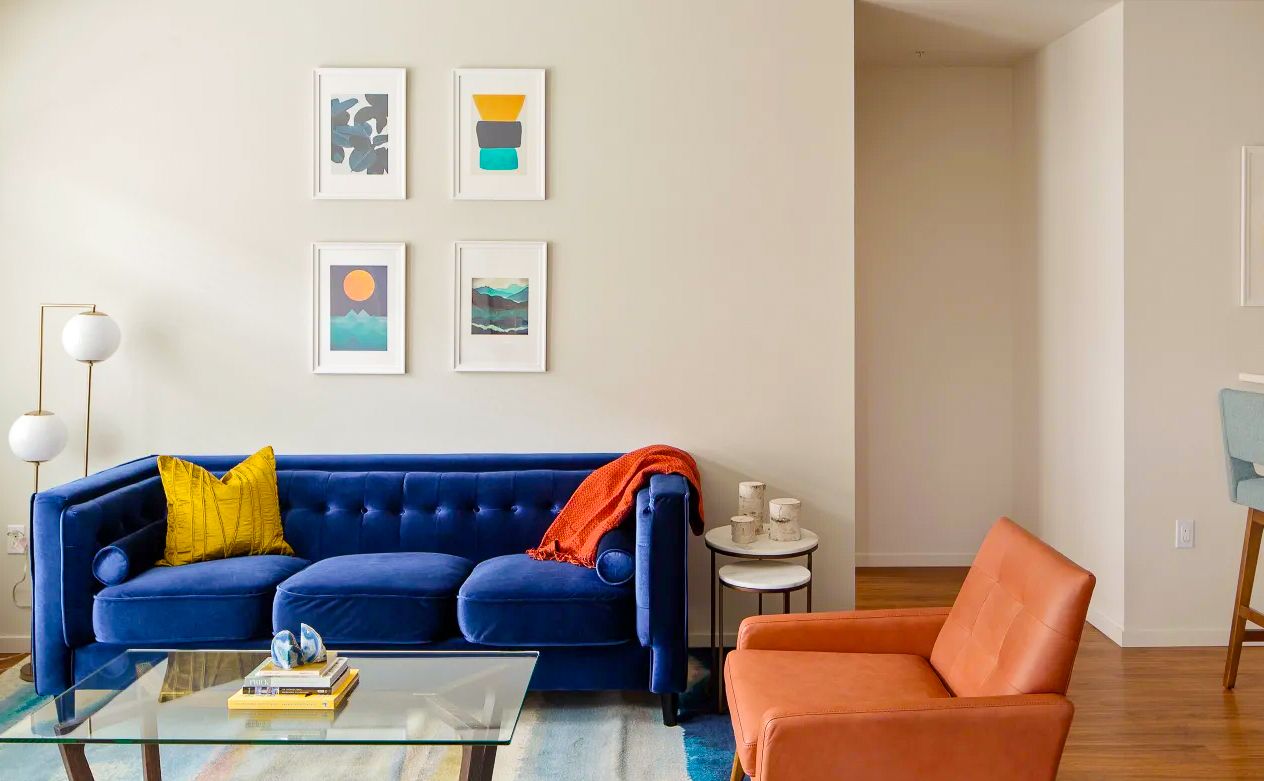
Modern Apartment Living: What Renters Should Know
Modern Apartment Living: What Renters Should Know – Modern apartment living has become one of the most popular housing choices for renters today. As cities grow denser and lifestyles become faster, apartments offer a practical balance between comfort, convenience, and flexibility. From sleek high-rise buildings in urban centers to well-designed residential complexes in growing suburbs, modern apartments are reshaping how people live.
For renters, understanding what modern apartment living truly means can make a big difference in choosing the right place to call home. It’s not just about square footage or monthly rent. It’s about lifestyle, amenities, location, and long-term value.
The Rise of Modern Apartment Living
The demand for modern apartments has increased significantly over the past decade. Many renters, especially young professionals and small families, prefer renting over buying due to flexibility and lower upfront costs. Modern apartments are designed to meet these needs by combining efficient layouts with contemporary design.
Developers now focus on creating spaces that feel open, functional, and comfortable, even in smaller units. High ceilings, large windows, and smart layouts help maximize natural light and make apartments feel more spacious. This shift reflects changing priorities, where quality of living matters more than sheer size.
Urban Lifestyle and Convenience
One of the biggest reasons renters choose modern apartments is location. Many modern buildings are strategically located near business districts, public transportation, shopping centers, and entertainment hubs. This proximity reduces commute time and supports a more balanced lifestyle.
Living close to cafes, gyms, grocery stores, and offices allows renters to save time and energy. For many, the convenience of stepping outside and having everything within reach is a major selling point of modern apartment living.
Amenities That Define Modern Apartments
Amenities are a key feature that separates modern apartments from older rental properties. Today’s renters expect more than just a place to sleep. Modern apartment buildings often include shared facilities that enhance daily life.
Fitness centers, rooftop lounges, co-working spaces, and secure parking areas are commonly found in newer developments. These amenities create a sense of community while also offering practical benefits. Renters no longer need separate gym memberships or expensive office rentals when these features are available at home.
Smart Home Features and Technology
Technology has become an integral part of modern apartment living. Many apartments now include smart locks, energy-efficient appliances, and app-controlled lighting or climate systems. These features not only add convenience but can also help reduce utility costs.
For renters, smart technology provides better control over their living environment. Being able to adjust temperature remotely or monitor energy usage adds a layer of comfort that older apartments often lack.
Understanding Lease Terms and Rental Costs
While modern apartments offer many benefits, renters should carefully review lease agreements before signing. Monthly rent is only part of the overall cost. Additional fees such as maintenance charges, parking fees, and utility costs can significantly impact the budget.
It’s important to understand what is included in the rent and what is not. Some modern apartments bundle services like internet or water, while others charge separately. Knowing these details upfront helps avoid unexpected expenses later.
Long-Term vs Short-Term Renting
Modern apartments often cater to both long-term and short-term renters. Some buildings offer flexible lease options, which can be ideal for professionals who relocate frequently. However, shorter leases often come with higher monthly rates.
Renters should consider their long-term plans before choosing a lease duration. A longer lease may offer better pricing stability, while a short-term lease provides flexibility at a premium.
Space, Design, and Functionality
Modern apartment design prioritizes functionality. Open-plan kitchens, built-in storage, and multipurpose living areas are common features. These design choices help renters make the most of limited space without sacrificing comfort.
Even studio apartments today are thoughtfully designed to separate living, sleeping, and working areas. This is especially important as more people work from home and need spaces that support productivity.
Sustainability and Energy Efficiency
Many modern apartment buildings are designed with sustainability in mind. Energy-efficient lighting, water-saving fixtures, and better insulation help reduce environmental impact while lowering utility bills.
For renters, choosing a sustainable apartment can lead to long-term savings and a smaller carbon footprint. These features also indicate better building quality and long-term maintenance standards.
Community and Lifestyle Considerations
Modern apartment living is not just about the physical space but also about the community. Many buildings organize social events, shared activities, or communal spaces that encourage interaction among residents.
This sense of community can be especially valuable for people new to a city or living alone. Feeling connected to neighbors adds emotional comfort and improves overall living experience.
Privacy and Noise Management
While apartments offer community, renters should also consider privacy. Modern buildings often use better soundproofing materials and layouts that minimize noise between units. Still, it’s wise to check the building’s construction quality and layout.
Choosing the right floor, unit orientation, and distance from common areas can make a noticeable difference in daily comfort.
Is Modern Apartment Living Right for You?
Modern apartment living offers a blend of convenience, comfort, and contemporary design that suits many lifestyles. However, it may not be ideal for everyone. Renters who value flexibility, location, and amenities often find modern apartments to be a perfect fit.
Before making a decision, renters should assess their priorities. Budget, location, space requirements, and lifestyle preferences all play a role. Visiting the property, exploring the neighborhood, and reading lease details carefully can help ensure a smart rental choice.
Final Thoughts on Renting a Modern Apartment
As housing trends continue to evolve, modern apartments remain a strong option for renters seeking a practical and stylish living environment. With thoughtful design, advanced amenities, and strategic locations, these apartments reflect the needs of modern life.
For renters, understanding what to expect from modern apartment living helps avoid surprises and ensures a more satisfying rental experience. When chosen wisely, a modern apartment can offer more than just a place to live. It can support productivity, comfort, and a better overall quality of life.

Choosing the Right Apartment for Your Lifestyle
Choosing the Right Apartment for Your Lifestyle – Choosing an apartment is more than just finding a place to sleep. The right apartment should support your daily habits, match your personality, and make your life easier—not more stressful. Too many people rush into a decision based only on price or location, then regret it a few months later.
If you’re planning to rent or buy an apartment, taking time to understand your lifestyle needs will save you money, time, and frustration. Let’s break down how to choose the right apartment that truly fits the way you live.
Understanding Your Lifestyle Before Choosing an Apartment
Before browsing listings or visiting show units, you need to look inward. Your lifestyle plays a huge role in determining what kind of apartment will work best for you.
Daily Routine and Work Schedule
Start by thinking about your daily routine. Do you work from home or commute to an office every day? Remote workers usually need extra space, natural light, and a quiet environment. On the other hand, people who spend most of their time outside may prioritize location over apartment size.
If you work night shifts or irregular hours, noise insulation becomes a major factor. Thin walls and noisy neighbors can quickly become a nightmare.
Social Life and Personal Habits
Are you someone who loves hosting friends, or do you prefer quiet nights alone? If you often invite guests, a living room that feels comfortable and spacious matters more than you might think.
Pet owners should also consider their habits. Daily walks, playtime, and pet-friendly rules can make or break your apartment experience.
Location Matters More Than You Think
Many people underestimate how much location affects daily life. A beautiful apartment loses its charm if the surrounding area doesn’t support your needs.
Proximity to Work and Essentials
Living close to your workplace can save hours every week. Less time commuting means more time for yourself. If moving closer to work isn’t possible, make sure the apartment has easy access to public transportation or main roads.
Nearby grocery stores, pharmacies, gyms, and hospitals are also essential. Convenience adds comfort to everyday life.
Neighborhood Vibe and Safety
Every neighborhood has a personality. Some areas are lively and full of energy, while others are calm and residential. Choose an environment that aligns with your comfort level.
Safety should never be compromised. Look at lighting, security presence, and general cleanliness. A safe neighborhood brings peace of mind, especially if you live alone.
Apartment Size and Layout Considerations
Size isn’t everything, but layout matters a lot. A well-designed small apartment can feel better than a poorly planned large one.
Studio, One-Bedroom, or Two-Bedroom
Studio apartments work well for minimalists or short-term stays. One-bedroom units offer more privacy and separation between living and sleeping areas. Two-bedroom apartments are ideal for roommates, small families, or anyone needing extra space for work or hobbies.
Think long-term. If your lifestyle might change in a year or two, choose an apartment that gives you flexibility.
Storage Space and Practical Design
Lack of storage is one of the most common complaints among apartment residents. Closets, cabinets, and kitchen storage play a big role in keeping your space organized.
An apartment that looks great but lacks practical storage will feel cramped very quickly.
Amenities That Support Your Lifestyle
Amenities are not just luxury features. When chosen correctly, they enhance your quality of life.
Fitness, Parking, and Shared Spaces
If you enjoy working out, an on-site gym can save time and money. For those with cars, secure parking is essential. Shared spaces like lounges or rooftops can be a bonus for social people.
However, don’t pay for amenities you’ll never use. Higher maintenance fees are often tied to features that look good on paper but add little real value.
Internet, Security, and Maintenance
Reliable internet is a must, especially for remote workers and streamers. Security systems, CCTV, and controlled access are also crucial.
Fast and responsive maintenance services make apartment living much more enjoyable. Problems are unavoidable, but how quickly they are fixed makes all the difference.
Budget Planning Without Stress
Your apartment should support your lifestyle, not strain your finances.
Rent, Utilities, and Hidden Costs
Always calculate the total monthly cost, not just the rent. Utilities, internet, parking fees, and maintenance charges add up quickly.
It’s smart to leave room in your budget for savings and leisure. An apartment that consumes most of your income will limit your lifestyle choices.
Long-Term Financial Comfort
Think beyond today. Can you afford this apartment if your income changes? A financially comfortable living situation gives you freedom and reduces stress.
Matching Apartment Rules with Your Lifestyle
Apartment rules are often overlooked but extremely important.
Pet Policies and Guest Rules
If you have pets or plan to get one, make sure the apartment allows them without excessive restrictions. Guest policies also matter if you enjoy having visitors or family staying over.
Ignoring these rules can lead to conflicts or even forced relocation later.
Noise Regulations and Community Culture
Some apartments enforce strict quiet hours. Others are more relaxed. Knowing this upfront helps you avoid uncomfortable situations with neighbors or management.
Community culture matters more than people realize. Living among like-minded residents creates a more positive environment.
Making the Final Decision with Confidence
After narrowing down your options, take your time before signing anything. Visit the apartment at different times of day if possible. Morning and evening conditions can be very different.
Trust your instincts. If something feels off, it probably is. The right apartment should feel comfortable, practical, and aligned with how you live.
Final Thoughts on Choosing the Right Apartment
Choosing the right apartment for your lifestyle is a personal journey. There’s no universal “best” option—only what works best for you. When you prioritize your habits, comfort, and long-term needs, you’ll find a place that truly feels like home.
An apartment isn’t just where you live. It’s where your daily life happens. Choose wisely, and your lifestyle will thank you for it.
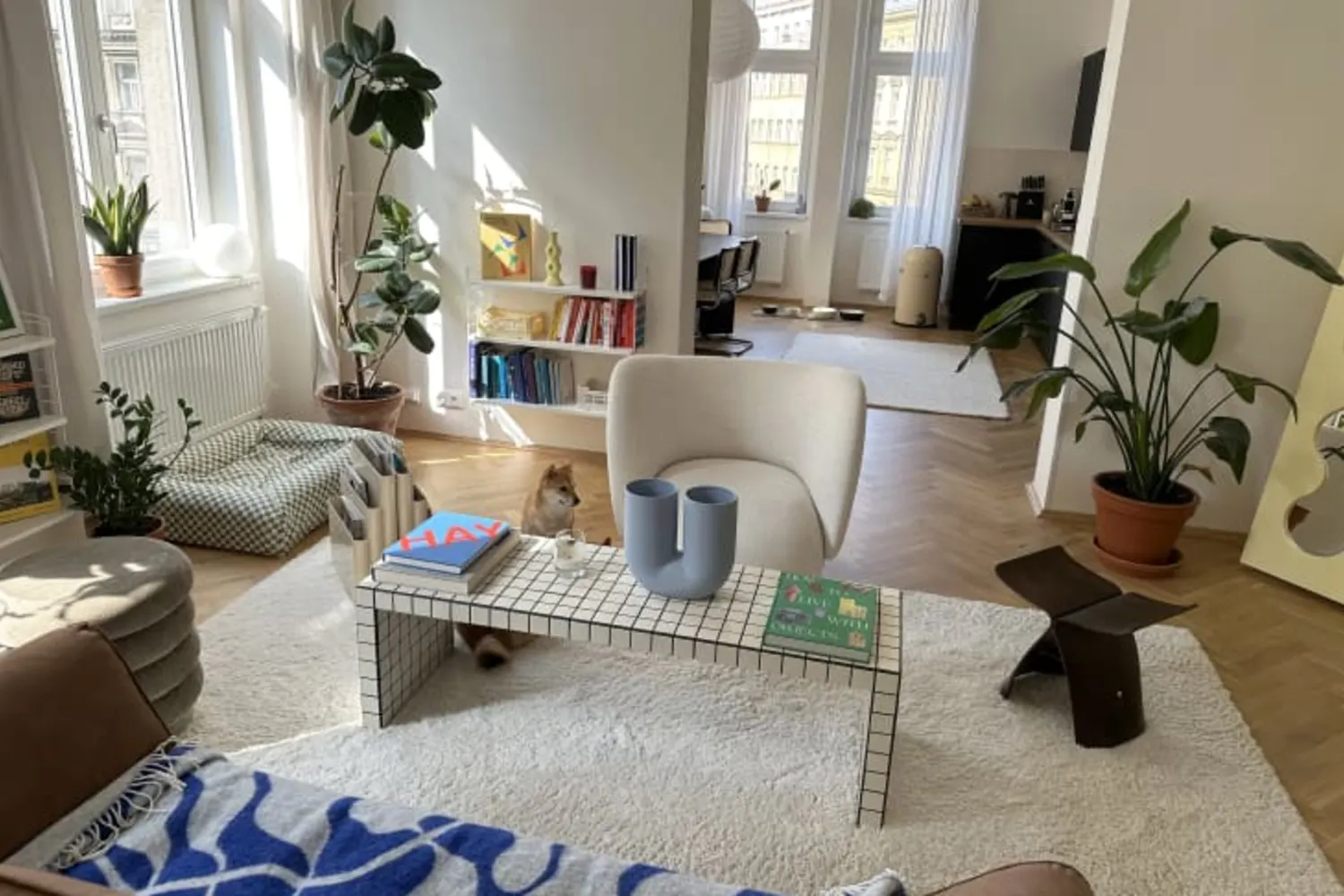
Apartment Living Tips for Modern Urban Life
Apartment Living Tips for Modern Urban Life – Living in an apartment in the city comes with its own set of joys and challenges. From maximizing limited space to creating a cozy, personal retreat in the middle of a bustling urban environment, apartment life demands creativity and smart planning. Whether you’re a first-time renter or a long-term city dweller, these tips will help you make the most of modern apartment living.
Understanding the Basics of Apartment Living
Apartment life is very different from living in a house. You often have less space, shared walls, and certain restrictions imposed by management or leases. Understanding these fundamentals can make your life smoother and more enjoyable.
Space Management is Key
Space is a luxury in urban apartments, and learning how to use it wisely is essential. Consider multifunctional furniture, like a sofa bed or a foldable dining table. Vertical storage solutions, such as wall-mounted shelves, can help keep your floor space clear. Also, try to declutter regularly—living with fewer items not only makes your apartment look cleaner but also reduces stress.
Know Your Building Rules
Every apartment comes with its own set of rules. From pet policies to noise regulations, understanding these guidelines prevents conflicts with neighbors and management. It’s worth investing time to read your lease carefully and get to know your building’s policies before moving in.
Making Your Apartment Feel Like Home
Even a small apartment can feel warm and inviting if you put some effort into decorating and personalizing it. The goal is to make your apartment reflect your personality while keeping it functional.
Choose a Color Scheme
Color can dramatically change the feel of a space. Soft, neutral tones often make small apartments feel larger and more open, while pops of color in accessories or art can add personality. Avoid overcrowding the space with too many contrasting colors, as this can create a chaotic atmosphere.
Personal Touches Matter
Add personal touches that make you feel at home. Photographs, artwork, or travel souvenirs can bring warmth to a minimalist apartment. Even small plants or candles can make a big difference, creating a more inviting and comfortable space.
Smart Organization Strategies
Organization is more than just aesthetics; it’s about making daily life more efficient. In an apartment, smart organization can save you time, reduce stress, and even make your space feel bigger.
Maximize Storage
Use every inch wisely. Under-bed storage bins, over-the-door organizers, and multi-use furniture with built-in storage are all excellent ways to keep clutter out of sight. Consider furniture that can serve more than one purpose, like ottomans with hidden storage or benches that double as shoe racks.
Keep Essentials Accessible
Arrange your belongings in a way that the items you use daily are easy to reach. Seasonal or rarely used items can be stored in less accessible areas, like high shelves or storage boxes under the bed. A well-thought-out system saves time and prevents frustration.
Living Comfortably with Neighbors
In apartments, your neighbors are close. Maintaining good relationships is crucial for a peaceful living environment.
Respect Noise Levels
Noise is one of the most common sources of tension in apartment buildings. Be mindful of loud music, late-night conversations, or heavy walking. Using rugs and curtains can also help minimize the noise you make and improve your apartment’s comfort.
Communicate Openly
If issues arise, talk to your neighbors politely. A simple conversation can resolve most misunderstandings. Building a friendly rapport with neighbors also makes the apartment feel like a community rather than just a living space.
Budget-Friendly Apartment Living
City apartments can be expensive, but there are ways to enjoy urban life without breaking the bank.
Shop Smart
Look for sales, second-hand furniture, or local marketplaces for apartment essentials. You can find high-quality items at a fraction of the price. Small investments in quality items, like a comfortable mattress or durable cookware, often pay off in the long run.
Reduce Utility Costs
Energy-efficient appliances, LED lighting, and smart thermostats can help reduce utility bills. Simple habits, such as unplugging devices when not in use or running washing machines only with full loads, can make a noticeable difference.
Embracing Urban Lifestyle
Living in a city apartment offers unique opportunities that you can fully enjoy if you embrace them.
Explore Local Amenities
City apartments are often located near restaurants, parks, cultural events, and public transportation. Take advantage of these perks. Walking, cycling, or using public transit not only saves money but also helps you feel more connected to the neighborhood.
Build a Routine
Urban life can be fast-paced and overwhelming. Establishing a routine helps balance work, social life, and personal time. Even in a small apartment, creating a dedicated space for work, relaxation, or hobbies can improve mental clarity and productivity.
Staying Healthy in a Small Space
Small apartments don’t have to limit your healthy lifestyle. With a little planning, you can maintain both physical and mental well-being.
Exercise at Home
Even limited space can accommodate simple exercises like yoga, resistance band workouts, or bodyweight routines. A small corner can double as a mini gym, and regular exercise will keep you energized and focused.
Indoor Air Quality Matters
Proper ventilation is crucial in apartments. Open windows regularly to allow fresh air in, use air purifiers if necessary, and keep plants that improve indoor air quality. Good air circulation helps prevent mold, dust accumulation, and contributes to overall well-being.
Making the Most of Urban Apartment Life
Apartment living is not just about surviving in a small space—it’s about thriving. With smart organization, thoughtful design, and an appreciation for urban advantages, even the smallest apartment can feel like home. From maintaining good neighborly relationships to maximizing every square foot, city apartment life can be both comfortable and inspiring.
Ultimately, apartment living is a balance between functionality, aesthetics, and lifestyle. By embracing these tips, you can enjoy the benefits of urban living without compromising on comfort, style, or convenience.
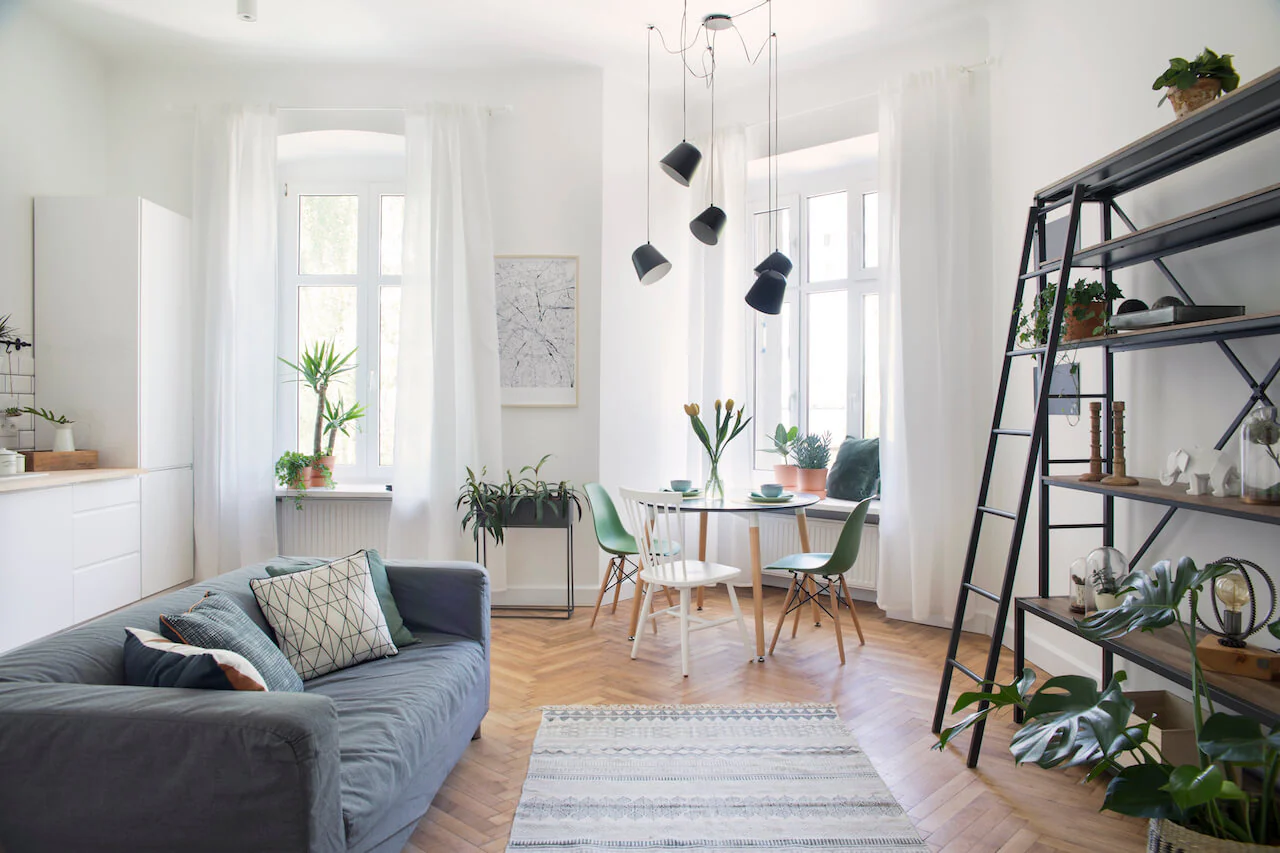
Apartment Hacks for Stylish Small-Space Living
Apartment Hacks for Stylish Small-Space Living – Living in a small apartment doesn’t mean you have to give up style or comfort. In fact, with the right tricks and a little creativity, you can make a tiny space feel chic, cozy, and surprisingly spacious. The key is to use smart storage, clever design, and a few simple upgrades that instantly elevate the whole place. Here are some easy apartment hacks that make small-space living feel stylish and effortless.
Maximize Your Layout with Smart Furniture Choices
One of the biggest challenges in small apartments is fitting everything in without the space feeling crowded. The best solution is to choose furniture that works hard for you. Think multifunctional pieces like a sofa bed, a storage ottoman, or a dining table that doubles as a workspace. These items help you save space while still keeping the room functional and stylish.
A good rule of thumb is to keep furniture proportional to the room. Oversized pieces can make a small apartment feel cramped, while slim, sleek designs keep the space open and airy. If you’re unsure where to start, try placing larger furniture against the walls to open up the center of the room.
Use Vertical Space to Your Advantage
When floor space is limited, the walls become your best friend. Vertical storage is one of the most effective ways to keep a small apartment organized without sacrificing style. Wall shelves, tall bookcases, and hanging organizers can store a lot of items while keeping them off the floor.
In the kitchen, consider installing floating shelves to display your dishes and glassware. Not only does this save cabinet space, but it also adds a decorative element that makes the kitchen feel more personalized. In the living room, tall shelving units create a dramatic, boutique-like look while providing plenty of storage.
Create Zones for a Cleaner, More Open Feel
Small apartments often feel chaotic because everything is in one space. The trick is to create visual zones for different activities. Use rugs, lighting, and furniture placement to define areas like the living room, dining space, and workspace.
A small rug can instantly separate the living area from the sleeping area, even in a studio apartment. A simple floor lamp can also help define a reading nook or workspace. These subtle cues make the apartment feel more organized and intentional, which always looks more stylish.
Choose a Light Color Palette
Color plays a huge role in how spacious a room feels. Lighter colors reflect more light and make a space feel bigger and brighter. If you want a stylish look that feels airy and open, stick to a light color palette for your walls, furniture, and larger decor pieces.
That doesn’t mean your apartment has to be all white. You can add personality with soft neutrals like beige, light gray, or pastel tones. Accent pieces like pillows, artwork, and rugs can introduce bolder colors without overwhelming the space. This approach keeps the room feeling calm and cohesive.
Add Mirrors to Expand the Space
Mirrors are one of the oldest tricks in the book, but they still work like magic in small spaces. A large mirror reflects light and creates the illusion of depth, making the room feel larger than it actually is. You can place a mirror opposite a window to maximize natural light, or use a tall mirror near the entrance to open up the hallway.
Mirrors also add a stylish touch, especially if you choose one with a unique frame or shape. They can act as a statement piece while still being functional.
Invest in Hidden Storage
Hidden storage is the secret weapon of small-space living. It keeps clutter out of sight while maintaining a clean, minimalist look. Under-bed storage, ottomans with hidden compartments, and storage benches are perfect for hiding away items you don’t use daily.
In the bathroom, consider using over-the-toilet shelving or a slim cabinet to store toiletries and towels. Keeping surfaces clear makes the room feel more spacious and spa-like. Hidden storage is not only practical, but it also makes your apartment feel more polished and organized.
Upgrade Your Lighting for a Cozy Atmosphere
Good lighting can transform a small apartment instantly. Overhead lighting alone can feel harsh and uninviting, so it’s best to layer your lighting with different sources. Table lamps, floor lamps, and string lights create a warm, cozy atmosphere that makes the space feel more welcoming.
Consider using dimmer switches if possible. Being able to adjust the brightness makes the apartment more versatile, whether you’re working, relaxing, or entertaining. Lighting is a small upgrade that has a big impact on the overall vibe.
Keep Decor Minimal but Meaningful
In a small apartment, less is more. Too many decor items can make the space feel cluttered and chaotic. Instead, focus on a few meaningful pieces that reflect your style. A single large piece of art, a stylish rug, or a curated shelf display can make a big statement without overwhelming the room.
Choose decor that has a purpose, whether it’s functional or sentimental. This approach keeps your space looking intentional and stylish, rather than crowded.
Add Greenery for a Fresh, Lived-In Look
Plants are an easy way to make a small apartment feel more alive and welcoming. They add color, texture, and a natural element that instantly improves the atmosphere. If you’re not great at plant care, start with low-maintenance options like snake plants, pothos, or succulents.
You can also use hanging planters or small potted plants on shelves to save space. Plants make the apartment feel more homey and stylish without taking up much room.
Final Thoughts
Small apartments don’t have to feel limiting. With the right hacks, you can create a stylish, comfortable space that feels much larger than it is. By using smart furniture, maximizing vertical space, and keeping your decor intentional, you can enjoy a beautiful home even in a tiny footprint. These simple changes make a big difference, and the best part is that they’re easy to implement, even on a budget.
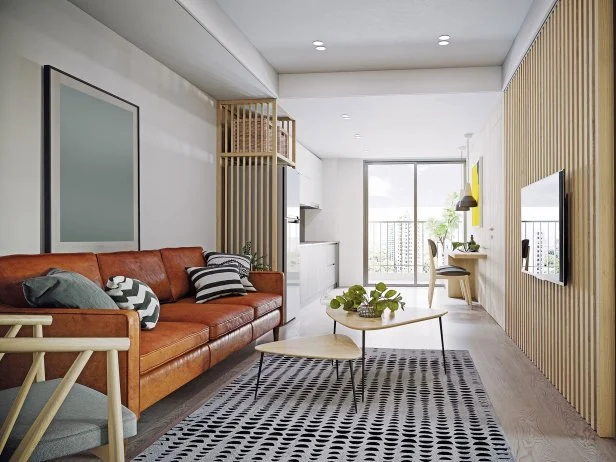
Apartment Living Tips: Design Ideas and Comfort for Urban Homes
Apartment Living Tips: Design Ideas and Comfort for Urban Homes – Living in an apartment has become a normal part of modern urban life. With cities growing fast and space becoming limited, apartments offer a practical and comfortable solution for individuals, couples, and families. However, apartment living comes with its own challenges, especially when it comes to space, privacy, and comfort. The good news is that with the right design ideas and smart living tips, an apartment can feel just as cozy and stylish as a larger home.
This article shares practical apartment living tips, design ideas, and comfort solutions that work well for urban homes. Whether you live in a studio apartment or a multi-bedroom unit, these ideas can help you make the most of your space.
Understanding Urban Apartment Living
Apartment living in urban areas is all about balance. You want a home that feels personal and comfortable while still fitting into a compact layout. Urban apartments are often located close to offices, public transportation, cafes, and entertainment spots, which is a big advantage. The downside is usually limited space and noise from the surroundings.
The key is to design your apartment in a way that supports your lifestyle. A good layout, smart furniture choices, and thoughtful decoration can make a big difference in how your apartment feels every day.
Making Small Spaces Feel Bigger
One of the most common challenges in apartment living is space. Small apartments can easily feel crowded if not designed properly. Light colors on walls and floors help reflect natural light and create a more open feeling. Large mirrors are also a popular trick because they visually expand the room and make it feel brighter.
Keeping the layout simple is important. Avoid blocking windows or walkways with bulky furniture. An open layout, even in a small apartment, helps the space feel more breathable and comfortable.
Smart Design Ideas for Modern Apartments
Design plays a major role in apartment living. A well-designed apartment not only looks good but also supports daily activities and relaxation.
Choosing the Right Furniture
Furniture selection is critical in urban apartment living. Pieces that serve more than one purpose are ideal. A sofa bed, for example, is perfect for hosting guests without needing a separate guest room. Storage beds, nesting tables, and compact dining sets are also smart choices.
Furniture with slim frames and raised legs tends to look lighter and less bulky. This helps prevent the space from feeling heavy or overcrowded. Always measure your space before buying furniture to ensure a proper fit.
Storage Solutions for Apartment Homes
Storage is often limited in apartments, so creative solutions are essential. Built-in shelves, wall-mounted cabinets, and under-bed storage can help keep clutter under control. Vertical storage is especially useful because it takes advantage of wall space without reducing floor area.
Keeping things organized is just as important as having storage. When everything has its own place, the apartment feels cleaner and more peaceful.
Creating Comfort in Apartment Living
Comfort is what turns an apartment into a real home. Urban life can be busy and stressful, so your apartment should feel like a place where you can relax and recharge.
Lighting for a Cozy Atmosphere
Lighting has a huge impact on comfort. Natural light is ideal, so keep windows clear and use light curtains instead of heavy drapes. For evenings, layered lighting works best. A combination of ceiling lights, floor lamps, and table lamps creates a warm and inviting atmosphere.
Soft, warm light is usually more relaxing than bright white light. In living rooms and bedrooms, warm lighting helps create a calm mood after a long day.
Sound and Privacy Considerations
Noise can be an issue in urban apartments. Thick curtains, rugs, and upholstered furniture help absorb sound and reduce echo. Adding fabric elements not only improves acoustics but also makes the space feel warmer.
If privacy is limited, room dividers or open shelves can create separation without fully closing off the space. This is especially helpful in studio apartments where one area needs to serve multiple functions.
Decorating Your Apartment with Personality
An apartment should reflect who you are. Decorating with personal touches makes the space feel more welcoming and unique.
Using Color and Texture
Neutral colors are popular in apartment design because they make spaces feel larger. However, adding color through accessories like cushions, rugs, and artwork brings life into the room. Textures such as wood, fabric, and metal add depth and interest without overwhelming the space.
Plants are also a great addition. They improve air quality and add a fresh, natural feel to urban apartments. Even a few small plants can make a big difference.
Wall Decor Without Damage
Many apartment renters worry about damaging walls. Luckily, there are plenty of renter-friendly options. Removable wall decals, framed prints with adhesive hooks, and leaning artwork are all great ways to decorate without permanent changes.
Using wall space wisely keeps floors clear and helps maintain an open feeling in the apartment.
Practical Tips for Everyday Apartment Living
Design is important, but daily habits also affect how comfortable apartment living feels.
Keeping Things Simple and Organized
Minimalism works well in apartments. This does not mean living without personality, but rather avoiding unnecessary clutter. Regularly reviewing your belongings and letting go of unused items helps keep the space functional.
A clean and organized apartment feels larger, calmer, and more comfortable, especially in a busy city environment.
Adapting Your Apartment to Your Lifestyle
Your apartment should support how you live. If you work from home, create a small but dedicated workspace. If you enjoy cooking, focus on kitchen organization and lighting. Urban apartments may be small, but they can still be tailored to your needs.
Conclusion: Enjoying Apartment Living in the City
Apartment living is a practical and rewarding choice for urban homes. With the right design ideas, smart furniture, and a focus on comfort, any apartment can feel spacious and welcoming. Urban living does not mean sacrificing comfort or style. It simply requires thoughtful planning and creativity.
By understanding your space and designing it to match your lifestyle, apartment living can be both comfortable and enjoyable. Whether you are new to city life or have lived in apartments for years, these apartment living tips can help you create a home that truly feels like your own.

Luxury Apartemen Living Tips Design Ideas in Modern City Life
Luxury Apartment Living Tips and Design Ideas in Modern City Life
Luxury Apartemen Living Tips Design Ideas in Modern City Life – Living in a luxury apartment in a modern city is no longer just about having a prestigious address. Today, it reflects a lifestyle that balances comfort, functionality, and personal expression. Urban living moves fast, and a well-designed luxury apartment becomes a private retreat from the noise and pressure outside. With the right design approach and living habits, a high-end apartment can feel warm, practical, and truly livable.
Understanding the Meaning of Luxury Apartment Living
Luxury apartment living is often misunderstood as excessive decoration or expensive furniture. In reality, true luxury is about thoughtful design, smart space usage, and comfort that fits everyday life. Modern city residents value efficiency just as much as aesthetics.
Comfort as the Core of Luxury
A luxury apartment should feel effortless to live in. Comfortable layouts, smooth movement between rooms, and furniture that supports daily routines all contribute to a better living experience. High-quality materials, good lighting, and proper ventilation create an atmosphere that feels calm and welcoming after a long day in the city.
Location and Lifestyle Connection
Modern city life demands convenience. Luxury apartments are usually located close to business districts, entertainment areas, and lifestyle hubs. The interior design should reflect this urban rhythm while still offering peace and privacy. A balance between energetic city vibes and personal relaxation is key.
Smart Space Planning for Urban Apartments
Space is valuable in city living, even in luxury apartments. Proper planning makes the apartment feel larger and more functional without sacrificing elegance.
Open Concept Living Areas
Open layouts are a popular choice for modern luxury apartments. Combining the living room, dining area, and kitchen creates a sense of openness and flexibility. This design encourages natural light to flow throughout the space and makes the apartment feel more expansive.
Functional Zoning Without Walls
Luxury design does not always need solid walls. Area rugs, lighting arrangements, and furniture placement can subtly define different zones within one space. This approach keeps the apartment visually clean while maintaining clear functional areas.
Interior Design Ideas for a Luxury Apartment
Design plays a major role in defining luxury apartment living. The right choices create a timeless look that remains appealing for years.
Minimalist Style with Premium Touches
Minimalism works exceptionally well in modern city apartments. Clean lines, neutral colors, and uncluttered spaces provide a sense of calm. Luxury is added through high-quality finishes such as marble surfaces, natural wood, and metal accents.
Color Palette for Modern Luxury
Soft tones like beige, grey, cream, and warm white dominate luxury interiors. These colors make rooms feel spacious and elegant. Accent colors can be introduced through artwork, cushions, or statement furniture to add character without overwhelming the space.
Lighting as a Design Element
Lighting transforms how a luxury apartment feels. Natural light should be maximized with large windows and sheer curtains. Artificial lighting should include layered sources such as ambient, task, and accent lighting to create depth and mood throughout the apartment.
Furniture Selection for Luxury Apartment Living
Furniture defines how a space is used and experienced. In luxury apartments, quality always matters more than quantity.
Choosing Timeless Furniture Pieces
Rather than following short-term trends, luxury living focuses on timeless furniture designs. Sofas with clean silhouettes, solid dining tables, and well-crafted chairs provide long-term value and visual harmony.
Multi-Functional Furniture for City Living
Modern city life often requires flexibility. Furniture that serves multiple purposes, such as storage beds or modular seating, helps maintain a clean and organized space without sacrificing comfort or style.
Creating a Private Retreat in a Busy City
A luxury apartment should offer emotional comfort as much as visual appeal. Creating a peaceful environment is essential for city dwellers.
Bedroom Design for Relaxation
The bedroom should feel like a sanctuary. Soft lighting, comfortable bedding, and calming colors support better rest. Reducing visual clutter and focusing on simplicity helps the mind relax after a busy day.
Sound and Privacy Considerations
Luxury apartments often include better sound insulation, but interior choices also matter. Thick curtains, upholstered furniture, and soft materials help absorb noise, creating a quieter living environment within the city.
Modern Technology in Luxury Apartments
Technology has become part of modern luxury. Smart features enhance convenience and efficiency without dominating the living space.
Smart Home Integration
Smart lighting, climate control, and security systems allow residents to manage their apartment easily. These features support modern city lifestyles where time and efficiency are highly valued.
Seamless and Hidden Technology
Luxury design hides technology when possible. Built-in speakers, concealed wiring, and integrated appliances keep the apartment looking clean and sophisticated.
Personalization Without Overcrowding
Luxury living does not mean a generic showroom look. Personal touches make an apartment feel like home.
Art and Decor with Meaning
Artwork, photography, and decorative objects should reflect personal taste and experiences. A few meaningful pieces make a stronger impact than overcrowded displays.
Green Elements in Urban Living
Indoor plants add life and freshness to luxury apartments. They improve air quality and soften modern interiors, making the space feel more balanced and natural.
Long-Term Value of Thoughtful Luxury Design
A well-designed luxury apartment holds value beyond appearance. It supports daily comfort, mental well-being, and long-term lifestyle needs.
Sustainable Materials and Design Choices
Modern luxury increasingly focuses on sustainability. Durable materials, energy-efficient lighting, and eco-friendly finishes contribute to a responsible and future-proof living environment.
Adapting to Changing City Life
City life evolves quickly. A flexible apartment design allows easy updates and adjustments without major renovations. Neutral foundations with adaptable decor ensure the apartment stays relevant over time.
Final Thoughts on Luxury Apartment Living in Modern Cities
Luxury apartment living is about more than status or aesthetics. It is about creating a comfortable, efficient, and personal space within the fast pace of modern city life. Through smart design, thoughtful furniture choices, and a focus on comfort, a luxury apartment becomes a true home. When done right, it offers a perfect balance between urban energy and private tranquility, making city living not just manageable, but genuinely enjoyable.
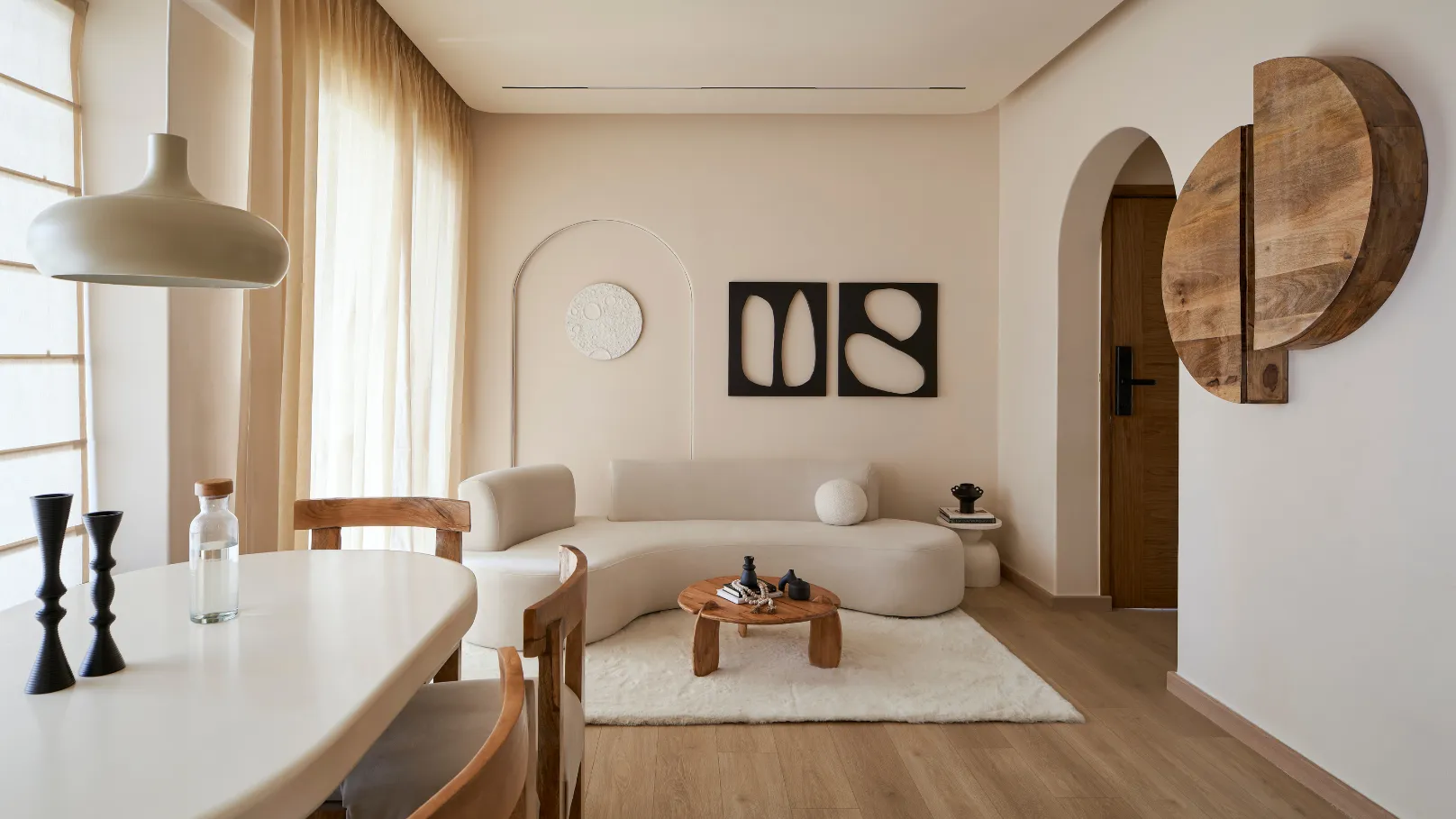
Minimalist Apartment Life Where Less Really Means More
Minimalist Apartment Life: Where Less Really Means More
Minimalist Apartment Life Where Less Really Means More – Living in a small apartment once felt limiting. Limited space, limited storage, and limited freedom. But everything changed when I discovered minimalist apartment living.
Minimalism is not about empty rooms or strict rules. It is about intention. It is about choosing what truly matters and letting go of what does not. Inside a minimalist apartment, less is not a sacrifice. Less is clarity.
The Beginning of a Minimalist Lifestyle
My journey toward minimalism did not start with design inspiration or social media trends. It began with exhaustion.
Too many items, too much clutter, and too little peace. Cleaning took hours. Finding simple things felt stressful. My apartment no longer felt like a home, but a storage unit I lived inside.
Minimalism offered a simple idea. Keep what adds value. Remove what creates noise.
That mindset changed everything.
Understanding What Minimalist Living Really Means
Minimalism is often misunderstood as living without comfort. In reality, it is about living with purpose.
A minimalist apartment focuses on function, flow, and calm. Each item has a role. Every space has intention.
Instead of asking how much can fit inside an apartment, minimalism asks how little is actually needed.
Function Before Decoration
Minimalist spaces prioritize usefulness.
Furniture is chosen not only for appearance but for how it supports daily life. Clean lines, neutral colors, and open areas create breathing room both physically and mentally.
Nothing exists simply to fill space.
Creating Space in a Small Apartment
You do not need a large home to live minimally. In fact, small apartments benefit the most.
Removing visual clutter instantly makes rooms feel larger. Open floors allow natural light to flow freely. Even narrow layouts become comfortable when space is respected.
Storage That Stays Invisible
Minimalist apartments use smart storage rather than excess furniture.
Hidden compartments, under-bed storage, and wall-mounted shelves keep essentials organized without overwhelming the room. The goal is not to hide clutter, but to prevent it.
Why Less Furniture Feels Better
Too much furniture limits movement and energy.
A minimalist apartment uses fewer pieces, but better ones. A comfortable sofa, a practical table, and proper lighting often replace multiple unnecessary items.
This simplicity creates freedom. Cleaning becomes easier. Rearranging becomes effortless. The home adapts to your life, not the other way around.
The Emotional Side of Minimalist Living
Minimalism is not only about physical space. It deeply affects emotional well-being.
Living with fewer possessions reduces daily decisions. There is less to manage, less to maintain, and less to worry about.
The apartment becomes a place of rest rather than stimulation.
Mental Clarity Through Simplicity
Clutter quietly drains energy.
When the environment is calm, the mind follows. Many people notice reduced anxiety, better focus, and improved sleep after embracing minimalist living.
The apartment feels lighter because the mind becomes lighter too.
Choosing Quality Over Quantity
Minimalist living does not mean cheap or boring.
It emphasizes quality.
Instead of many low-quality items, a minimalist apartment contains fewer but more durable pieces. Furniture lasts longer. Clothing fits better. Objects hold meaning.
This shift reduces waste and creates long-term satisfaction.
A Home That Reflects Personal Values
Minimalism allows space for identity.
When possessions are reduced, what remains becomes more visible. Artwork feels intentional. Textures feel warmer. Personal items stand out instead of getting lost among clutter.
The apartment becomes a reflection of values rather than consumption habits.
Design That Feels Personal
Minimalist interiors do not have to look cold.
Natural wood, soft fabrics, plants, and warm lighting add personality without excess. Simplicity becomes a canvas rather than a limitation.
Minimalism and Daily Routines
Daily life becomes smoother in a minimalist apartment.
Mornings feel calmer without mess. Cleaning takes minutes instead of hours. Cooking becomes easier when counters remain clear.
These small improvements create powerful long-term benefits.
Time Becomes the Greatest Reward
Less stuff means more time.
Time once spent organizing, cleaning, and shopping becomes time for rest, creativity, and relationships. Minimalism quietly gives life back.
Letting Go Without Regret
One of the hardest parts of minimalist living is letting go.
Many items carry emotional attachment. Minimalism teaches that memories do not live inside objects. They live inside us.
Releasing unused items often brings relief rather than loss.
Sustainability and Conscious Living
Minimalist apartments naturally support sustainability.
Buying less reduces waste. Choosing durable items lowers environmental impact. Energy use becomes more intentional.
Minimalism aligns comfort with responsibility.
Why Minimalist Apartment Living Works Long-Term
Minimalism is not a temporary trend.
It adapts as life changes. Whether living alone, working remotely, or sharing space, the minimalist mindset remains flexible.
The apartment grows with you rather than filling against you.
The Freedom of Living With Less
Perhaps the greatest benefit of minimalist apartment life is freedom.
Freedom from excess.
Freedom from constant consumption.
Freedom from managing things that add no real value.
When less surrounds you, more becomes possible.
More calm.
More focus.
More meaning.
Final Thoughts
Minimalist apartment living is not about deprivation. It is about alignment.
It is about creating a home that supports your life instead of distracting from it. By choosing intention over accumulation, space over clutter, and quality over quantity, your apartment transforms into a place of clarity.
In a world that constantly demands more, minimalism offers something rare.
Peace.
Because when done thoughtfully, less truly means more.

Sky High Apartment Views That Make City Life Absolutely Magical
Sky High Apartment Views That Make City Life Absolutely Magical – City life has its own rhythm. The constant movement, glowing lights, and endless energy create an atmosphere that never truly sleeps. For many urban dwellers, living high above the streets offers a unique perspective—one that transforms everyday routines into something extraordinary.
Sky high apartment views have become one of the most desired features in modern city living. From sunrise reflections on glass towers to nighttime skylines filled with sparkling lights, these elevated homes offer more than just a place to live. They offer an experience.
The Charm of Living Above the City
There is something special about being far above traffic noise and crowded sidewalks. High-rise apartments create a peaceful distance between residents and the busy streets below.
At higher floors, the city feels calmer. The sounds soften, the air feels lighter, and the horizon seems wider. This sense of elevation often brings a feeling of privacy and escape, even while being in the center of urban life.
For many people, that balance between excitement and tranquility is what makes high-rise living so attractive.
Morning Sunrises That Change Your Routine
Waking up to a sky-high view can completely transform mornings. Instead of alarm clocks and rushed routines, residents are greeted by golden sunlight stretching across rooftops and highways.
Watching the sun rise over the city creates a peaceful start to the day. Coffee tastes better. Mornings feel slower. Even busy workdays begin with a moment of calm.
These simple moments often become daily rituals that residents cherish.
Nighttime Skylines Full of Magic
If mornings bring peace, nights bring wonder.
As the sun sets, the city transforms into a glowing landscape of lights. Streets become rivers of motion, buildings sparkle, and the skyline feels alive. From a high apartment window or balcony, the view feels almost cinematic.
Many residents find themselves turning off the television just to enjoy the scenery outside. The city becomes living artwork—changing every hour, every season, every night.
A New Perspective on Urban Architecture
High-rise living offers a rare opportunity to truly appreciate city design. From above, patterns emerge that are invisible at street level.
Grids of roads, clusters of buildings, and the flow of traffic reveal how the city breathes and moves. Rainstorms, fog, and sunsets paint dramatic scenes that feel different every day.
Even longtime city residents often say that living high above helped them fall in love with their city all over again.
Natural Light and Open Space Feelings
Apartments on higher floors often receive better natural light. Large windows allow sunlight to pour in throughout the day, creating brighter and more inviting interiors.
Natural light improves mood, enhances interior design, and makes spaces feel larger. Combined with panoramic views, even compact apartments can feel open and airy.
This connection between indoor comfort and outdoor scenery is one of the strongest appeals of sky-high living.
The Emotional Impact of Elevated Living
Living above the city does more than change the view—it changes how people feel.
Many residents describe a sense of inspiration that comes from seeing the world from above. Stress feels lighter. Thoughts become clearer. The view provides perspective, both literally and emotionally.
After long workdays, simply standing by the window can feel therapeutic. It becomes a quiet moment of reflection before returning to daily life.
Privacy Without Isolation
One of the underrated benefits of high-floor apartments is privacy. With fewer neighboring buildings at eye level, residents enjoy greater personal space.
Curtains stay open longer. Balconies feel more comfortable. Natural airflow improves without sacrificing privacy.
Despite being surrounded by thousands of people, sky-high living offers a personal sanctuary away from direct visibility.
Weather Views That Never Get Boring
From thunderstorms rolling across the skyline to clouds drifting at eye level, weather becomes a daily show.
Rain looks poetic from above. Lightning feels dramatic yet distant. Even cloudy days have depth and movement that street-level views simply cannot provide.
Every season brings a new personality to the city, making the view endlessly interesting.
Modern Apartment Design Built Around the View
Developers now design apartments with views as the main feature. Floor-to-ceiling windows, open layouts, and corner units maximize visibility and natural light.
Living rooms often face the skyline, while bedrooms offer peaceful nighttime scenery. Balconies become personal viewing decks rather than simple outdoor spaces.
In many modern buildings, the view is not an extra—it is the centerpiece of the home.
Lifestyle Benefits Beyond Aesthetics
Sky-high apartments also offer practical advantages:
- Reduced street noise
- Improved ventilation
- Increased natural brightness
- Greater resale and rental value
- Strong appeal for professionals and investors
These benefits make high-rise living both emotionally satisfying and financially attractive.
Why High Views Never Lose Their Appeal
Trends come and go, but breathtaking views remain timeless. No matter how interior styles change, the desire to look out over a beautiful cityscape stays constant.
Unlike furniture or décor, a great view cannot be replaced or upgraded later. It becomes part of daily life, quietly adding value every single day.
That is why apartments with iconic views are often the most sought-after and most remembered.
A Lifestyle That Feels Like a Daily Escape
Living in a sky-high apartment often feels like staying in a luxury hotel—except it’s home. The sense of elevation, openness, and beauty transforms ordinary routines into something special.
Laundry nights come with sunsets. Late dinners come with glowing skylines. Even quiet weekends feel elevated, literally and emotionally.
City life, when viewed from above, becomes less overwhelming and far more magical.
Final Thoughts
Sky high apartment views offer more than impressive scenery. They provide peace within chaos, beauty within routine, and inspiration within everyday life.
For those who love the energy of the city but crave moments of calm, living above it all offers the perfect balance.
When the skyline becomes your backdrop and the horizon your neighbor, city living truly feels magical.
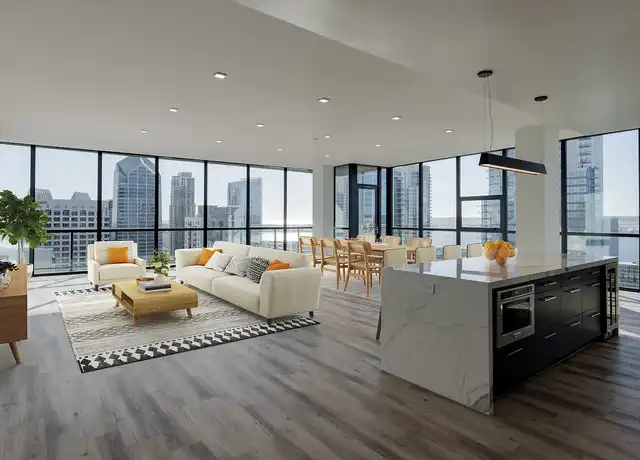
Best Apartments for Rent 2026 Pet Friendly Luxury and Studio
Best Apartments for Rent 2026 Pet Friendly Luxury and Studio – Looking for an apartment in 2026 can feel overwhelming, especially with so many options available. From pet-friendly apartments to luxury rentals and modern studio units, today’s rental market offers something for almost every lifestyle and budget.
Whether you’re a pet owner, a young professional, or someone who values comfort and convenience, understanding current apartment trends can help you make a smarter decision. This guide breaks down the best apartments for rent in 2026 in a simple, practical, and easy-to-read way.
Why Apartment Living Is More Popular Than Ever
Apartment living continues to grow in popularity because it offers flexibility and convenience. Many renters prefer apartments due to lower upfront costs, easier maintenance, and access to shared amenities.
In 2026, remote work and flexible schedules also influence housing choices. People want apartments that support both work and relaxation, without long commutes or unnecessary stress.
Pet Friendly Apartments: A Top Priority in 2026
Pet ownership continues to rise, and many renters now consider pet policies before anything else. As a result, pet-friendly apartments are among the most searched rental options in 2026.
These apartments often include features like pet parks, walking areas, and pet-washing stations. Some buildings even organize community pet events, creating a friendly environment for animal lovers.
Before renting, it’s always important to check pet rules, such as breed restrictions or extra fees. Choosing the right pet-friendly apartment ensures comfort not just for you, but for your furry companion as well.
Luxury Apartments: Comfort Meets Modern Living
Luxury apartments in 2026 focus on lifestyle rather than just size. High-end rentals often feature stylish interiors, open layouts, and high-quality finishes that create a modern living experience.
Smart home features are now common, allowing residents to control lighting, temperature, and security with ease. Luxury buildings often include gyms, pools, coworking lounges, rooftop spaces, and 24-hour security.
For renters who value convenience and premium amenities, luxury apartments offer a stress-free and comfortable way to enjoy city living.
Studio Apartments: Smart Living for Modern Renters
Studio apartments remain one of the most popular rental options, especially among students, remote workers, and solo renters. These compact units are designed for efficiency, making them affordable and easy to maintain.
In 2026, studios are smarter and more stylish than ever. Many feature built-in storage, flexible layouts, and multifunctional furniture to maximize space.
Studio apartments are ideal for renters who want to live in prime locations without paying high rent for unused space.
Choosing the Right Location
Location plays a huge role when searching for the best apartments for rent. Being close to work, public transportation, grocery stores, and entertainment can make daily life much easier.
Luxury apartments are often located in city centers, while studio and affordable pet-friendly apartments are commonly found in surrounding neighborhoods. These areas may offer better value while still providing good access to essential services.
A well-connected neighborhood can make even a smaller apartment feel comfortable and convenient.
What to Look for in a Rental Apartment
Before signing a lease, renters should check more than just price and size. Important factors include building security, maintenance quality, noise levels, and overall management reputation.
It’s also wise to review what utilities are included in the rent and whether parking or storage is available. Small details can have a big impact on your daily comfort.
Taking the time to visit the apartment and ask questions helps avoid future surprises.
Balancing Budget and Lifestyle
Finding the right apartment is about balance. Luxury apartments offer comfort and amenities, but they come at a higher cost. Studio apartments and pet-friendly rentals often provide better affordability while still meeting essential needs.
Many renters choose studios or smaller units in better locations to maintain a comfortable lifestyle without overspending. Others prioritize space and amenities, even if it means paying more.
Understanding your priorities makes the decision easier and more satisfying.
Rental Trends Shaping 2026
Several rental trends are shaping the apartment market in 2026. Sustainability and energy-efficient buildings are becoming more common, helping renters reduce utility costs.
Flexible lease terms and furnished apartments are also gaining popularity, especially among professionals who move frequently. Pet-friendly policies continue to expand as landlords adapt to renter demand.
These trends provide more choices and better living experiences for renters.
Tips for Finding the Best Apartment Deals
To find the best deals, start your search early and stay flexible with move-in dates. Rental prices often change based on season and availability.
Using online rental platforms can help compare options quickly, but visiting in person remains important. Being prepared with documents and references can also speed up the application process.
A little planning goes a long way when securing a great apartment.
Final Thoughts
The best apartments for rent in 2026 combine comfort, practicality, and lifestyle fit. Whether you’re looking for a pet-friendly apartment, a luxury rental, or a smart studio unit, there are plenty of great options available.
By focusing on your needs, budget, and location preferences, you can find an apartment that truly feels like home. With the right approach, renting in 2026 can be both simple and rewarding.
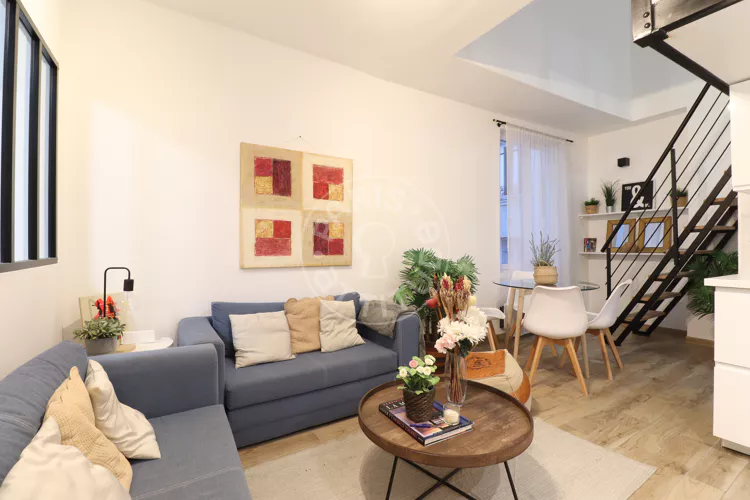
Apartments for Rent 2026 Best Luxury Options and Affordable
Apartments for Rent 2026 Best Luxury Options and Affordable Deals – Finding the right apartment has always been a big decision, and in 2026, renters have more choices than ever. From modern luxury apartments with premium amenities to affordable rental deals in growing neighborhoods, the rental market continues to evolve to meet different lifestyles and budgets.
Whether you’re a young professional, a small family, or someone relocating for work, understanding your options can help you find the perfect apartment without stress. This guide breaks down apartments for rent in 2026, covering both luxury living and budget-friendly deals in a simple, easy-to-understand way.
Why Apartment Rentals Are in High Demand in 2026
Apartment living remains popular because it offers flexibility, convenience, and access to urban life. Many people prefer renting over buying due to rising property prices and the freedom to move when needed.
In 2026, demand for rental apartments is driven by remote work, lifestyle changes, and the growth of city centers. Renters are no longer just looking for a place to sleep — they want comfort, security, and modern features that fit their daily routines.
Luxury Apartments: What to Expect in 2026
Luxury apartments are no longer just about size or location. In 2026, high-end rentals focus on experience, convenience, and lifestyle.
Most luxury apartments now feature modern interior designs, open-concept layouts, and high-quality finishes. Smart home technology has become common, allowing residents to control lighting, temperature, and security from their phones.
Amenities also play a major role. Luxury apartment buildings often offer fitness centers, swimming pools, coworking spaces, rooftop lounges, and 24-hour security. Some even include concierge services and private parking.
For renters who value comfort and convenience, luxury apartments provide a hotel-like living experience while still feeling like home.
Affordable Apartments: Great Deals Still Exist
Not everyone needs or wants a luxury apartment, and the good news is that affordable rental options are still widely available in 2026. Many budget-friendly apartments are located in developing neighborhoods or just outside major city centers.
These apartments may offer simpler amenities, but they still provide comfort, safety, and practical living spaces. In many cases, affordable apartments are newly built or recently renovated to meet modern living standards.
Choosing an affordable apartment often means being flexible with location or size, but it can result in significant savings without sacrificing quality of life.
Location Matters More Than Ever
When searching for apartments for rent in 2026, location remains one of the most important factors. Proximity to work, schools, public transportation, and essential services can greatly impact daily life.
Luxury apartments are usually found in prime urban areas, close to business districts and entertainment hubs. Affordable apartments, on the other hand, are often located in suburban areas or emerging neighborhoods with improving infrastructure.
Smart renters focus on convenience rather than just prestige. A well-connected area with good transportation can make even a smaller apartment feel more valuable.
Popular Apartment Types in 2026
Rental preferences have changed over the years, and in 2026, several apartment types stand out.
Studio apartments remain popular among single renters and remote workers due to their efficiency and lower rent. One-bedroom apartments are ideal for couples or individuals who want more space and privacy.
Two-bedroom and family-sized apartments continue to attract renters with children or those sharing living spaces. These options balance comfort with practicality, especially in areas with schools and parks nearby.
How to Find the Best Apartment Deals
Finding the best apartment deals requires a bit of research and timing. Many landlords offer better rates during off-peak seasons or for longer lease agreements.
Online rental platforms make it easier than ever to compare prices, view photos, and read reviews. However, visiting the apartment in person is still important to check condition, noise levels, and neighborhood atmosphere.
Being prepared with documents and flexible with move-in dates can also help secure better deals, especially in competitive markets.
What to Check Before Renting an Apartment
Before signing a lease, it’s important to review the details carefully. Check what utilities are included in the rent, such as water, electricity, or internet.
Understand the lease terms, security deposit requirements, and maintenance responsibilities. Clear communication with the landlord or property manager can prevent misunderstandings later.
Taking a little extra time at this stage can save you money and stress in the long run.
Luxury vs Affordable: Which Is Right for You?
Choosing between luxury and affordable apartments depends on your lifestyle and financial goals. Luxury apartments offer comfort, convenience, and premium amenities, but come with higher monthly rent.
Affordable apartments provide practicality and flexibility, allowing you to save money or spend on other priorities. Many renters choose affordable options while still enjoying modern living through smart location choices.
There is no one-size-fits-all answer — the best apartment is the one that fits your needs, budget, and daily routine.
Rental Trends to Watch in 2026
Rental trends in 2026 show a growing focus on sustainability, energy efficiency, and flexible living spaces. More apartment buildings are adopting eco-friendly designs and energy-saving features.
Pet-friendly apartments are also becoming more common, reflecting changing lifestyles. Additionally, mixed-use developments that combine residential, retail, and workspaces are gaining popularity.
These trends give renters more options to match their personal preferences.
Final Thoughts
Apartments for rent in 2026 offer something for everyone — from luxury living in prime locations to affordable deals in growing neighborhoods. The key is understanding your priorities and doing proper research before making a decision.
With the right approach, finding an apartment that feels like home doesn’t have to be complicated. Take your time, compare options, and choose a space that supports your lifestyle and future plans.
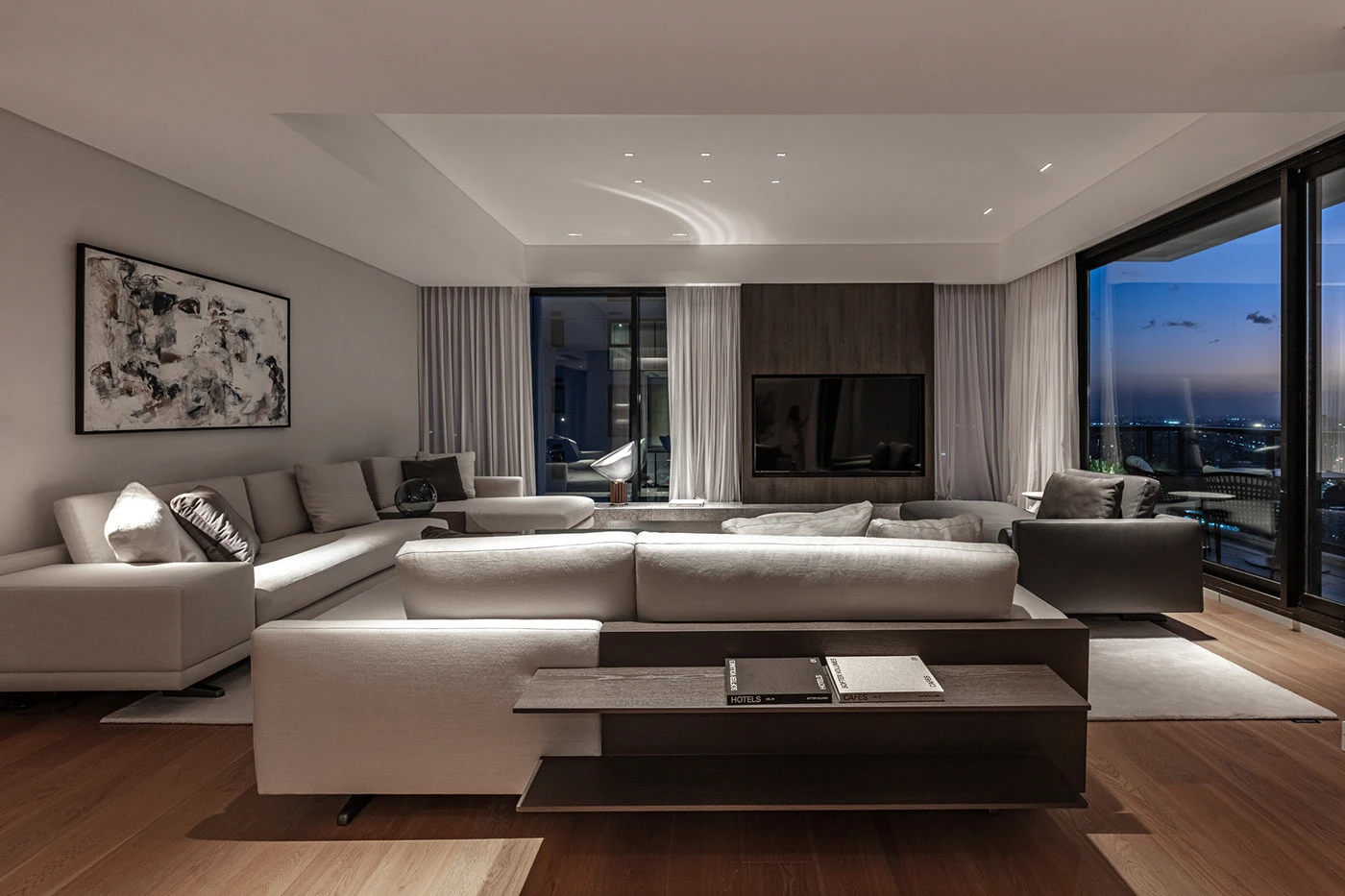
Skyline Living Hub: A Modern Guide to Life Above the City
Skyline Living Hub: A Modern Guide to Life Above the City – City skylines have always symbolized progress, ambition, and modern living. Tall buildings, glowing windows, and endless views reflect the energy of urban life. For many people, living high above the city is not just about location—it’s about lifestyle. Skyline Living Hub captures this experience by exploring what it truly means to live in modern urban spaces.
From high-rise apartments to city-view homes, skyline living has become a dream for many urban residents.
What Is Skyline Living Hub?
Skyline Living Hub is a concept built around modern city living, especially in vertical spaces. It focuses on apartments, condos, and residential buildings that offer panoramic views and easy access to urban facilities.
More than just real estate, Skyline Living Hub highlights lifestyle, comfort, and design. It brings together ideas on how to enjoy city living while maintaining balance, privacy, and personal space.
The Appeal of Living Above the City
There is something special about living with a skyline view. Watching the city wake up in the morning or glow at night creates a sense of connection with the urban environment. Skyline living offers a perspective that ground-level homes often can’t provide.
High-rise living also comes with practical benefits. Many buildings are located near business districts, public transport, shopping centers, and entertainment hubs. This convenience saves time and supports a fast-paced urban lifestyle.
Modern Design and Smart Spaces
Skyline homes are designed with efficiency in mind. Space is carefully planned to maximize comfort without waste. Open layouts, large windows, and minimalist interiors are common features.
Skyline Living Hub emphasizes smart living solutions. Multi-functional furniture, clever storage, and flexible layouts help residents make the most of their space. The result is a living environment that feels open, modern, and comfortable.
Lifestyle Amenities That Add Value
One of the biggest advantages of skyline living is access to premium amenities. Many high-rise residences include fitness centers, swimming pools, rooftop gardens, and shared lounges.
These amenities turn residential buildings into lifestyle hubs. Residents can relax, socialize, and stay active without leaving the building. Skyline Living Hub highlights how these features enhance daily life and create a sense of community.
Balancing Privacy and City Energy
Living in the heart of the city doesn’t mean giving up privacy. Skyline residences often offer better privacy than street-level homes. Being above the noise and crowds creates a calm living environment.
Soundproof designs, controlled access, and modern security systems help residents feel safe and comfortable. Skyline Living Hub focuses on this balance—enjoying city energy while maintaining personal peace.
Skyline Living for Different Lifestyles
Skyline living attracts a wide range of residents. Young professionals value proximity to work and social life. Couples enjoy modern design and shared amenities. Families appreciate safety and convenience.
Even retirees are drawn to skyline living for its accessibility and low-maintenance lifestyle. Skyline Living Hub recognizes that vertical living adapts to different needs and life stages.
Sustainability in High-Rise Living
Modern skyline residences increasingly focus on sustainability. Energy-efficient systems, water-saving features, and eco-friendly materials are becoming standard.
Skyline Living Hub promotes responsible urban living. Small choices like reducing energy use, managing waste, and supporting green spaces contribute to a healthier city environment. Sustainable skyline living benefits both residents and the city as a whole.
The Social Side of Skyline Communities
High-rise living encourages a unique form of community. Shared spaces bring residents together, creating opportunities for interaction and connection.
From casual conversations in elevators to events in shared lounges, skyline living can feel surprisingly social. Skyline Living Hub highlights how community plays an important role in creating a positive urban experience.
Adapting to Vertical Living
For those new to skyline living, adjustment may take time. Elevators, shared facilities, and building rules become part of daily routines. However, most residents quickly adapt and appreciate the structure and organization.
Skyline Living Hub offers guidance on making this transition smooth. Understanding building systems and respecting shared spaces helps create a comfortable living experience.
Creating a Personal Sanctuary
Even in the middle of a busy city, a skyline home can feel like a sanctuary. Thoughtful interior design, personal decoration, and daily routines help residents create a sense of calm.
Natural light, city views, and open spaces contribute to mental well-being. Skyline Living Hub encourages residents to shape their homes into places of relaxation and inspiration.
Final Thoughts
Skyline Living Hub represents the future of urban living. It combines convenience, design, and lifestyle in one experience. Living above the city offers more than a great view—it offers a new way to connect with urban life.
With the right mindset and smart choices, skyline living becomes comfortable, inspiring, and rewarding. As cities continue to grow upward, Skyline Living Hub stands as a guide for enjoying modern life in the sky.
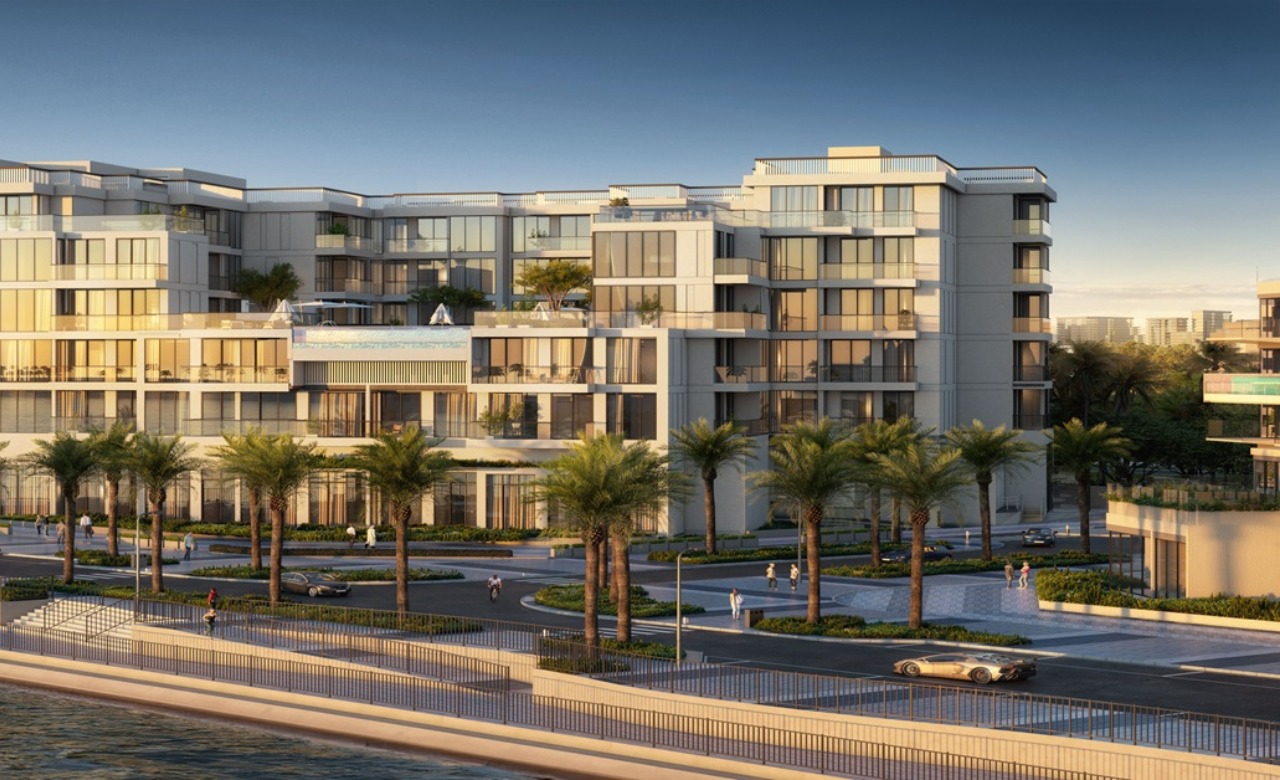
Apartment Urban Guide: Smart Living in the Heart of the City
Apartment Urban Guide: Smart Living in the Heart of the City – City life has its own rhythm. Fast mornings, busy streets, and endless opportunities shape the way people live in urban areas. For many city dwellers, apartments are not just places to sleep—they are homes that reflect lifestyle, convenience, and personal taste. An Apartment Urban Guide helps navigate this modern way of living, offering insights for anyone who wants to make the most of apartment life in the city.
Whether you are renting your first apartment or upgrading to a new space, understanding urban living makes a big difference.
What Is an Apartment Urban Guide?
An Apartment Urban Guide is a practical resource designed for people living in or moving to urban apartments. It covers everything from choosing the right location to managing space and adapting to city culture.
Instead of focusing only on real estate prices, this guide looks at everyday living. It helps residents understand how apartments fit into a fast-paced urban lifestyle and how to create comfort in smaller, smarter spaces.
Why Apartments Are the Heart of Urban Living
Apartments dominate city landscapes for a reason. Limited space, high demand, and modern design make apartment living the most practical choice in urban areas. Living in an apartment often means being closer to work, entertainment, and public transportation.
Urban apartments allow residents to save time and energy. Shorter commutes, nearby facilities, and access to city life make apartments appealing for professionals, students, and families alike.
Choosing the Right Urban Apartment
Finding the right apartment is about more than size and price. Location plays a major role. Proximity to offices, schools, public transport, and daily essentials can greatly affect quality of life.
An Apartment Urban Guide encourages people to consider their daily routines. A smaller apartment in a strategic location may offer more value than a larger one far from the city center. Understanding priorities helps renters and buyers make smarter choices.
Making the Most of Limited Space
Urban apartments often come with limited space, but that doesn’t mean comfort has to be sacrificed. Smart design and organization can transform even small apartments into functional and stylish homes.
Simple strategies like multi-purpose furniture, smart storage, and thoughtful layout planning make a big difference. An Apartment Urban Guide focuses on practical solutions that help residents maximize space without clutter.
Urban Apartment Lifestyle and Community
Apartment living in the city often means sharing spaces with others. Hallways, elevators, and shared facilities become part of daily life. Building a positive relationship with neighbors helps create a comfortable living environment.
Many urban apartments also offer shared amenities such as gyms, lounges, and rooftop areas. These spaces encourage social interaction and help residents feel connected, even in busy city settings.
Cost, Convenience, and Smart Budgeting
Living in the city can be expensive, and managing expenses is an important part of urban apartment life. Rent, utilities, parking, and maintenance costs can add up quickly.
An Apartment Urban Guide helps residents understand and plan for these costs. Smart budgeting, energy-saving habits, and understanding lease terms can reduce stress and create financial stability.
Adapting to City Noise and Movement
One common challenge of urban apartment living is noise. Traffic, construction, and nearby activities are part of city life. Learning how to adapt is essential for comfort.
Simple adjustments like soundproof curtains, proper window sealing, and setting personal routines help manage noise levels. Over time, many residents find that city sounds become part of the background rather than a distraction.
Sustainability and Modern Apartment Living
Modern urban apartments increasingly focus on sustainability. Energy-efficient appliances, waste management systems, and eco-friendly designs are becoming more common.
An Apartment Urban Guide highlights the importance of sustainable living. Small habits like reducing energy use, recycling, and choosing environmentally friendly products contribute to a healthier urban environment.
Urban Apartments for Different Lifestyles
Urban apartments serve a wide range of lifestyles. Young professionals may prioritize location and convenience, while families may look for safety and nearby schools. Retirees may value accessibility and quiet surroundings.
Understanding these differences helps individuals choose apartments that align with their long-term goals. An Apartment Urban Guide recognizes that there is no one-size-fits-all solution in city living.
Creating a Sense of Home
No matter how modern or compact an apartment is, feeling at home matters most. Personal touches, thoughtful decoration, and comfortable routines turn an apartment into a true living space.
Urban living doesn’t have to feel temporary or impersonal. With the right approach, apartments become places of rest, creativity, and connection.
Final Thoughts
An Apartment Urban Guide is more than just a housing resource. It’s a companion for navigating city life with confidence and comfort. By understanding location, space, lifestyle, and community, urban residents can enjoy apartment living to its fullest.
City life moves fast, but home should always feel balanced. With smart choices and practical insights, apartment living becomes not just convenient, but truly rewarding.
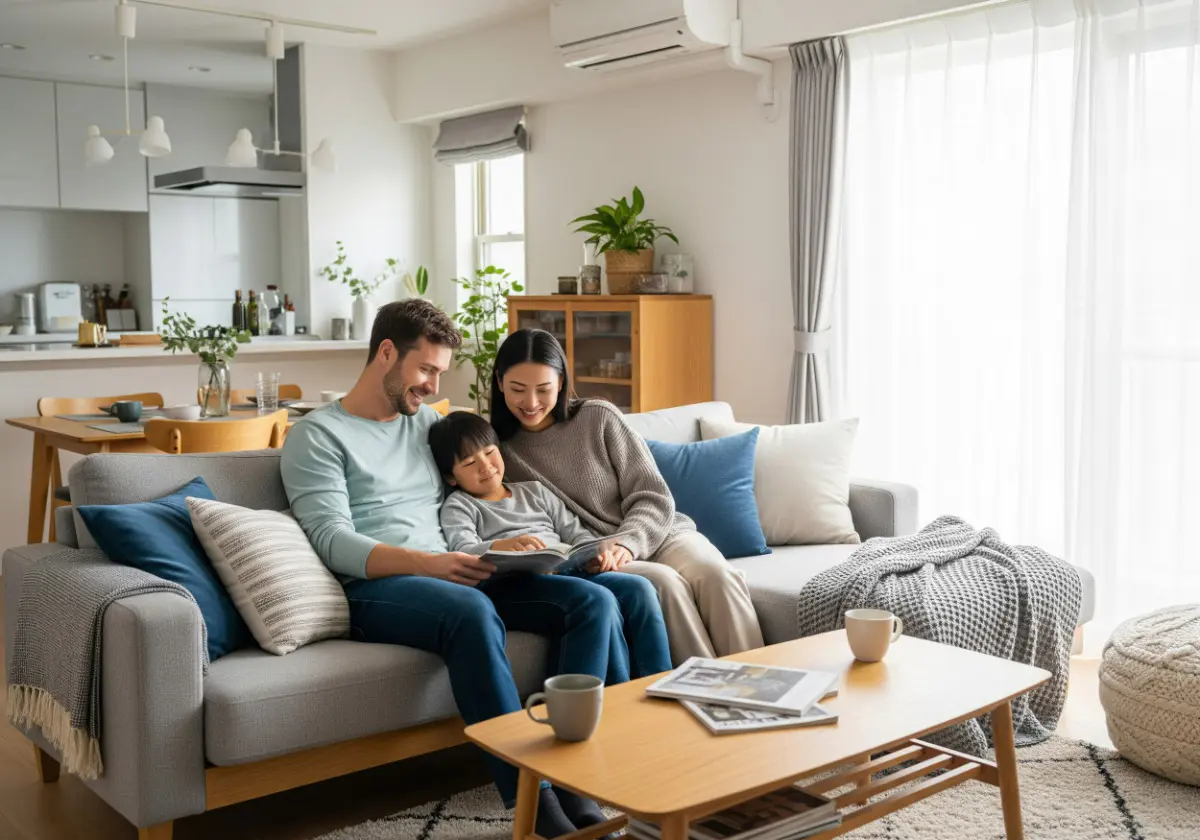
Apartment Living Explained: Comfort Convenience & Investment
Apartment Living Explained: Comfort Convenience & Investment – Apartment living has become one of the most popular lifestyle choices in modern cities. As urban areas grow faster and land becomes more limited, apartments offer a smart solution for people who want comfort, convenience, and long-term value—all in one place. Whether you’re a young professional, a small family, or an investor looking for stable returns, apartment living has something to offer.
In this article, we’ll break down apartment living in a simple and friendly way, covering daily comfort, lifestyle convenience, and why apartments are also a strong investment option.
The Comfort of Modern Apartment Living
One of the biggest reasons people choose apartments is comfort. Modern apartments are designed to make everyday life easier, more practical, and more enjoyable.
Most new apartment units come with smart layouts that maximize space. Even smaller units feel comfortable thanks to open-plan living areas, large windows, and efficient storage solutions. Everything is placed with purpose—no wasted corners or awkward spaces.
Temperature control is another major plus. Many apartments are built with good insulation, air conditioning, and proper ventilation. This means the unit stays cool during hot weather and cozy during colder seasons, without excessive energy use.
Security also plays a huge role in comfort. Apartments usually offer 24/7 security, CCTV cameras, secure parking areas, and controlled access systems. Knowing that your home is protected gives peace of mind, especially for people who live alone or travel frequently.
And let’s not forget maintenance. In apartments, building management usually handles repairs, cleaning of common areas, and general upkeep. You don’t have to worry about fixing roofs, broken gates, or drainage issues—everything is managed professionally.
Convenience That Fits Modern Lifestyles
Apartment living is all about convenience, especially for people with busy schedules. Location is one of the biggest advantages. Most apartments are built in strategic areas—close to offices, business districts, shopping centers, hospitals, schools, and public transportation.
Living closer to where you work or spend most of your time reduces daily commute stress. Less time in traffic means more time for rest, hobbies, or family.
Inside the building, convenience continues. Many apartments offer facilities such as elevators, gyms, swimming pools, coworking spaces, and laundry areas. Some even include cafes, minimarkets, or food courts on the ground floor.
This “everything-in-one-place” lifestyle is perfect for urban residents who value efficiency. You can exercise, work, relax, and socialize without leaving the building.
Another often-overlooked benefit is community. Apartments naturally create social environments. Shared facilities encourage interaction with neighbors, making it easier to build connections compared to isolated housing areas.
Affordable Entry Compared to Houses
For many people, apartments are more financially accessible than landed houses, especially in city centers. Buying a house in prime urban locations can be extremely expensive, while apartments offer a more realistic entry point into property ownership.
Apartments also usually come with lower upfront costs and simpler ownership processes. Utility bills may be lower due to shared infrastructure, and maintenance costs are spread across all residents through management fees.
For first-time buyers, apartments are often a practical stepping stone. They allow people to own property earlier, build equity, and later upgrade if needed.
Strong Investment Value Over Time
Beyond lifestyle benefits, apartments are also attractive investment assets. Property investors often favor apartments because of their consistent demand and rental potential.
Urbanization continues to increase, meaning more people move to cities for work, education, and business opportunities. This creates ongoing demand for apartment rentals, especially in well-located areas.
Apartments near offices, universities, public transport, and shopping areas are particularly popular with tenants. This helps investors achieve stable occupancy rates and reliable rental income.
Another advantage is liquidity. Apartments are generally easier to rent out or resell compared to houses, especially smaller units like studios or one-bedroom apartments. These units appeal to a wide market, including students, young professionals, and expats.
Over time, property values in strategic locations tend to increase. Even moderate appreciation combined with rental income can result in solid long-term returns.
Lower Risk, Easier Management
Compared to other property investments, apartments are relatively low risk and easier to manage. Building management handles most operational tasks, from security to maintenance.
This is especially beneficial for investors who don’t want to deal with day-to-day property issues. With professional management in place, owners can enjoy passive income with minimal involvement.
For overseas investors or people living in different cities, apartments are ideal. Remote management is much simpler compared to standalone houses.
Flexibility for Different Life Stages
Apartment living adapts well to different life stages. Young professionals appreciate the proximity to workplaces and nightlife. Couples enjoy modern amenities and shared facilities. Small families benefit from safety, playgrounds, and nearby schools.
Even retirees are increasingly choosing apartments for their convenience and security. Elevators, medical facilities nearby, and community living make daily life easier and more social.
This flexibility also increases the resale and rental appeal of apartments, making them versatile assets in any property portfolio.
Sustainability and Smart Living
Many modern apartments now focus on sustainability. Energy-efficient lighting, water-saving systems, green spaces, and smart home technology are becoming standard features.
Living in apartments can reduce environmental impact through shared resources and efficient land use. For eco-conscious buyers and tenants, this is a growing advantage.
Smart home features like digital locks, energy monitoring, and automated lighting also add value, improving both comfort and property appeal.
Final Thoughts
Apartment living is more than just a housing trend—it’s a smart response to modern urban life. With a strong combination of comfort, convenience, and investment value, apartments offer practical benefits for both residents and investors.
They provide safe, well-managed living spaces in strategic locations, while also delivering long-term financial potential. Whether you’re looking for a comfortable home or a reliable property investment, apartment living remains one of the most balanced and future-proof choices available today.
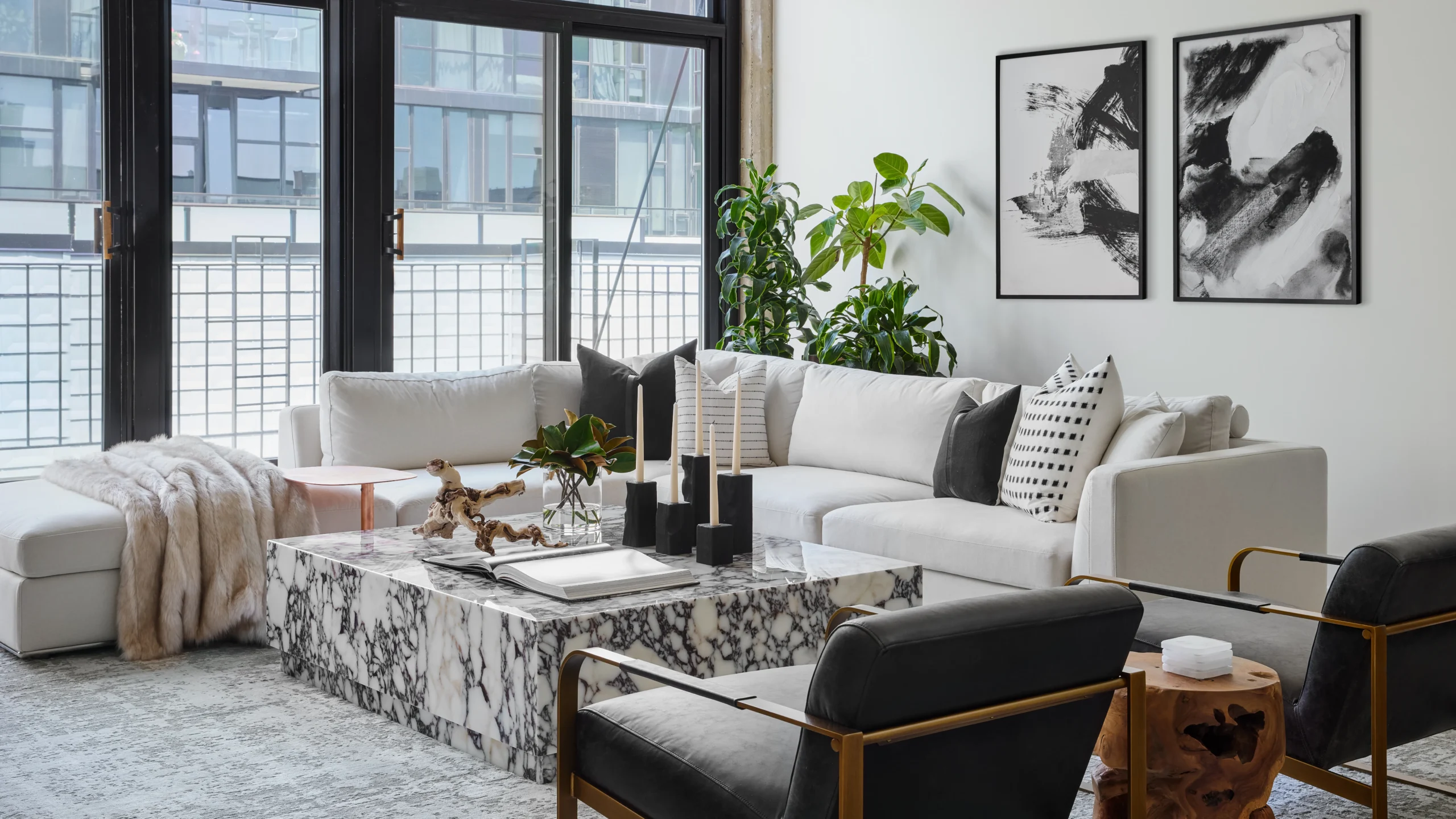
Apartment Living: A Simple Guide to Comfortable Modern Living
Apartment Living: A Simple Guide to Comfortable Modern Living – Apartments have become a popular choice for modern living, especially in busy cities. They offer convenience, flexibility, and a lifestyle that fits today’s fast-paced world. For many people, living in an apartment is not just about having a place to stay—it’s about comfort, accessibility, and balance.
Whether you are a student, a young professional, or someone looking for a simpler lifestyle, apartment living can offer many advantages when approached the right way.
Why Apartments Are So Popular Today
One of the main reasons people choose apartments is convenience. Apartments are often located close to offices, shopping centers, public transportation, and entertainment areas. This reduces commuting time and makes daily life easier.
Apartments also require less maintenance compared to houses. You don’t need to worry about large yards, roofing, or exterior repairs. Most buildings have management teams that handle these responsibilities, allowing residents to focus on their daily routines.
Different Types of Apartments
Apartments come in many forms, designed to fit different lifestyles and budgets.
Studio apartments are small and efficient, perfect for individuals who prefer simplicity. One-bedroom and two-bedroom apartments offer more space and privacy, making them ideal for couples or small families.
There are also luxury apartments that provide premium facilities such as swimming pools, gyms, and security systems. Each type offers a unique experience depending on personal needs.
Apartment Living and Daily Comfort
Comfort is a key factor in choosing an apartment. Natural lighting, good ventilation, and smart layouts can make even a small space feel cozy and welcoming.
Many modern apartments are designed with open layouts to maximize space. Simple furniture and organized storage help keep the environment clean and comfortable.
A well-arranged apartment can feel like a peaceful retreat after a long day.
Community and Shared Spaces
One unique aspect of apartment living is shared community space. Facilities like lounges, gardens, and fitness centers encourage interaction among residents.
This sense of community can be comforting, especially for people living alone. Friendly neighbors and shared spaces often create a supportive and social environment.
At the same time, apartments also offer privacy. You can choose when to socialize and when to enjoy quiet time.
Location Matters
Choosing the right apartment location makes a big difference in daily life. Proximity to work, schools, hospitals, and public transport saves time and energy.
A good location also affects lifestyle. Living near cafes, parks, or cultural areas can add enjoyment to everyday routines.
Before choosing an apartment, it is important to consider how the location fits your long-term plans.
Budgeting for Apartment Living
Apartments often provide predictable costs. Rent or mortgage payments are usually fixed, and maintenance costs are often included.
However, it is important to consider additional expenses such as utilities, parking fees, and service charges. Planning your budget carefully helps avoid unexpected stress.
Apartment living can be affordable when managed wisely.
Security and Peace of Mind
Security is another advantage of apartment living. Many buildings offer controlled access, security staff, and surveillance systems.
This provides peace of mind, especially for families and individuals who value safety. Knowing that help is available within the building adds an extra layer of comfort.
Decorating and Personalizing Your Apartment
Even in a rented apartment, personal touches matter. Simple decorations, plants, and lighting can transform a space.
Using neutral colors and flexible furniture allows you to personalize without permanent changes. A well-decorated apartment reflects your personality and makes the space feel like home.
Comfort comes from familiarity, not size.
Apartment Living for Different Lifestyles
Apartments suit a wide range of lifestyles. Young professionals enjoy the convenience and proximity to work. Families appreciate secure environments and nearby facilities. Older residents value accessibility and low maintenance.
Apartment living adapts to changing needs, making it a flexible housing option for many stages of life.
Balancing Space and Simplicity
Living in an apartment encourages a simpler lifestyle. Limited space helps reduce clutter and focus on essentials.
This balance creates a calmer environment and promotes mindful living. Many people find that apartment living helps them focus on experiences rather than possessions.
Final Thoughts
Apartment living offers comfort, convenience, and flexibility in today’s modern world. It provides a balanced lifestyle that fits different needs and preferences.
With the right location, thoughtful design, and realistic expectations, an apartment can be more than just a living space—it can be a place of comfort, connection, and peace.
Choosing an apartment is not about giving up space, but about gaining simplicity and quality of life.
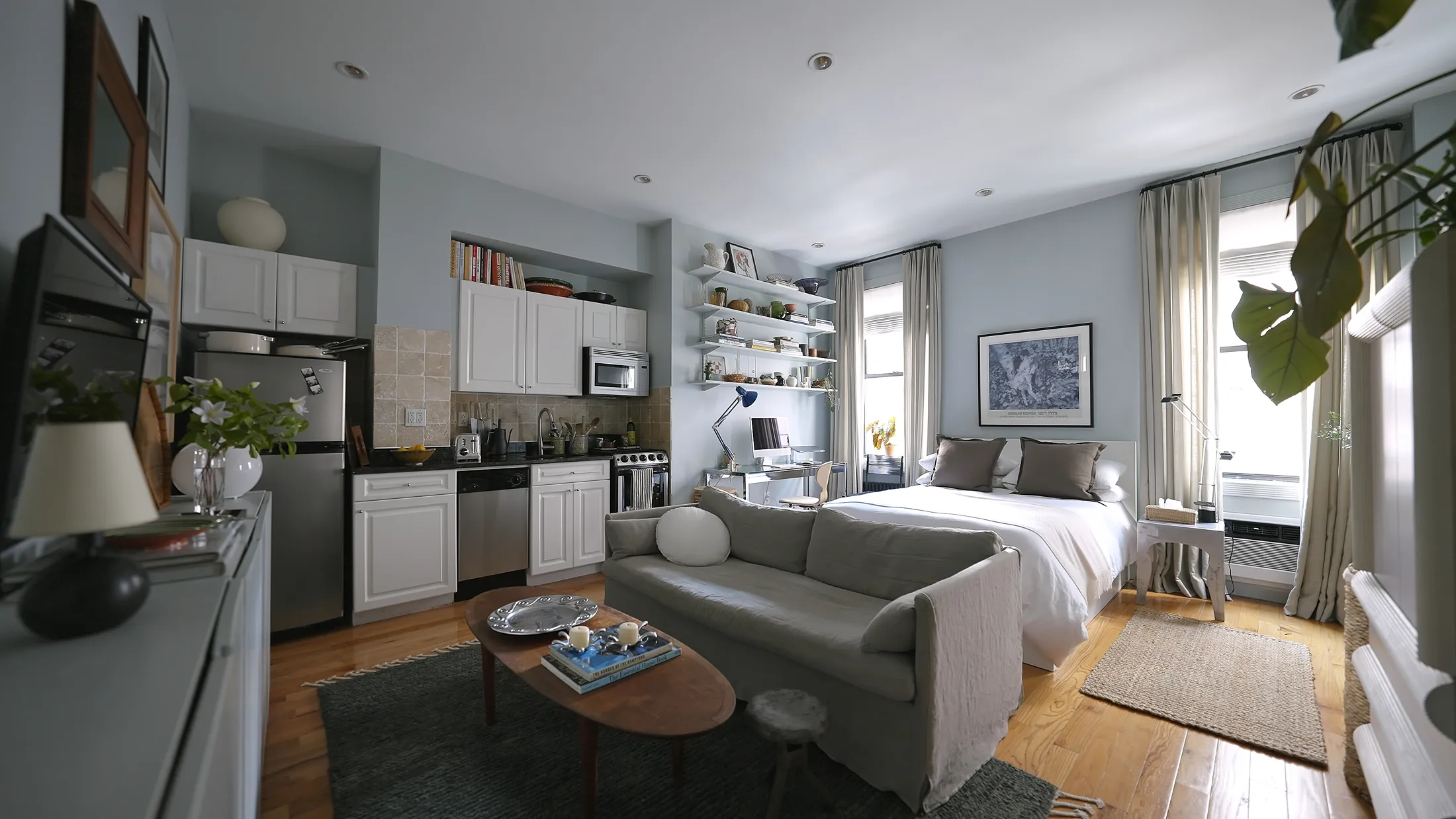
Modern Living Spaces: Comfort, Location, and Everyday
Apartments as Modern Living Spaces: Comfort, Location, and Everyday Practicality – Apartments have become one of the most popular housing options in modern cities. As urban areas continue to grow, apartments offer a practical solution for people seeking convenience, flexibility, and access to essential facilities. From young professionals to small families, apartment living attracts a wide range of residents.
Unlike traditional houses, apartments are designed to maximize space while maintaining comfort. This balance makes them suitable for city life, where land is limited and demand for housing remains high.
Why Apartments Fit Urban Lifestyles
One of the main reasons apartments are preferred in urban environments is location. Most apartment buildings are situated close to business districts, transportation hubs, shopping centers, and entertainment areas. This proximity reduces commuting time and improves daily efficiency.
For residents with busy schedules, living near workplaces and public facilities provides a significant advantage. Apartments often support a lifestyle that values time management and convenience over large private spaces.
Urban living also encourages a sense of connection. Apartments place residents within active communities, offering easier access to social and professional networks.
Design and Space Efficiency
Modern apartments focus heavily on functional design. Every square meter is carefully planned to serve a purpose. Open floor layouts, smart storage solutions, and natural lighting help create a comfortable living environment even in smaller units.
Interior design trends emphasize simplicity and flexibility. Furniture choices and layout arrangements are often adapted to suit different lifestyles, from minimalistic to family-oriented living.
Well-designed apartments feel balanced rather than cramped. This thoughtful approach allows residents to enjoy comfortable living without unnecessary complexity.
Facilities and Shared Amenities
Another key attraction of apartment living is access to shared amenities. Many apartment complexes provide facilities such as fitness centers, swimming pools, parking areas, and security services. These features enhance daily life without requiring individual maintenance.
Shared amenities also encourage social interaction among residents. Common areas like lounges or gardens offer spaces for relaxation and informal gatherings.
Security is often a major benefit. Controlled access systems and on-site management provide peace of mind, especially in densely populated areas.
Apartments and Lifestyle Flexibility
Apartments offer flexibility that suits changing lifestyles. Renting or owning an apartment often involves fewer responsibilities compared to maintaining a standalone house. This makes apartments ideal for individuals who value mobility and adaptability.
For professionals who relocate frequently, apartments provide practical housing solutions. Short-term and long-term options allow residents to choose arrangements that fit their needs.
This flexibility also appeals to people at different life stages. Apartments accommodate single occupants, couples, and small families with ease.
Economic Considerations
Cost efficiency plays an important role in the popularity of apartments. In many cities, apartments are more affordable than houses in similar locations. Lower maintenance costs and shared facilities help manage long-term expenses.
For first-time buyers, apartments offer an accessible entry point into the property market. They provide ownership opportunities without the financial burden associated with larger properties.
From an investment perspective, apartments can generate steady rental demand, especially in urban areas with strong population growth.
Community Living and Social Balance
Apartment living naturally creates a sense of community. Residents often share common spaces and interact regularly, fostering familiarity and cooperation.
While privacy remains important, apartments encourage respectful coexistence. Building regulations and management policies help maintain a balanced living environment.
For many residents, this blend of privacy and community creates a comfortable and supportive atmosphere.
Sustainability and Modern Developments
Sustainability has become an important focus in modern apartment development. Energy-efficient designs, waste management systems, and environmentally friendly materials are increasingly common.
Apartments also support sustainable urban planning by reducing land use and promoting shared infrastructure. This approach aligns with long-term environmental goals and responsible city growth.
Residents benefit from lower energy costs and improved living standards through sustainable building practices.
Choosing the Right Apartment
Selecting an apartment involves considering several factors. Location, unit size, building facilities, and management quality all influence long-term satisfaction.
Prospective residents should evaluate access to transportation, daily necessities, and surrounding environments. A well-located apartment simplifies daily routines and enhances quality of life.
Understanding building rules and community guidelines also helps ensure compatibility with personal lifestyle preferences.
Apartments in Modern Real Estate Trends
Apartments continue to shape modern real estate trends. Developers focus on mixed-use projects that combine residential spaces with commercial and recreational areas.
These developments create integrated environments where residents can live, work, and relax within the same area. This concept reflects the evolving demands of urban living.
As cities expand, apartments remain a practical and adaptable housing solution.
Conclusion
Apartments represent a modern approach to urban living, offering comfort, convenience, and flexibility. Their efficient design, strategic locations, and shared amenities make them suitable for a wide range of lifestyles.
For many people, apartment living is not just a housing choice but a practical response to modern life. With thoughtful planning and community-oriented design, apartments continue to meet the needs of growing urban populations while maintaining a balance between privacy and connection.
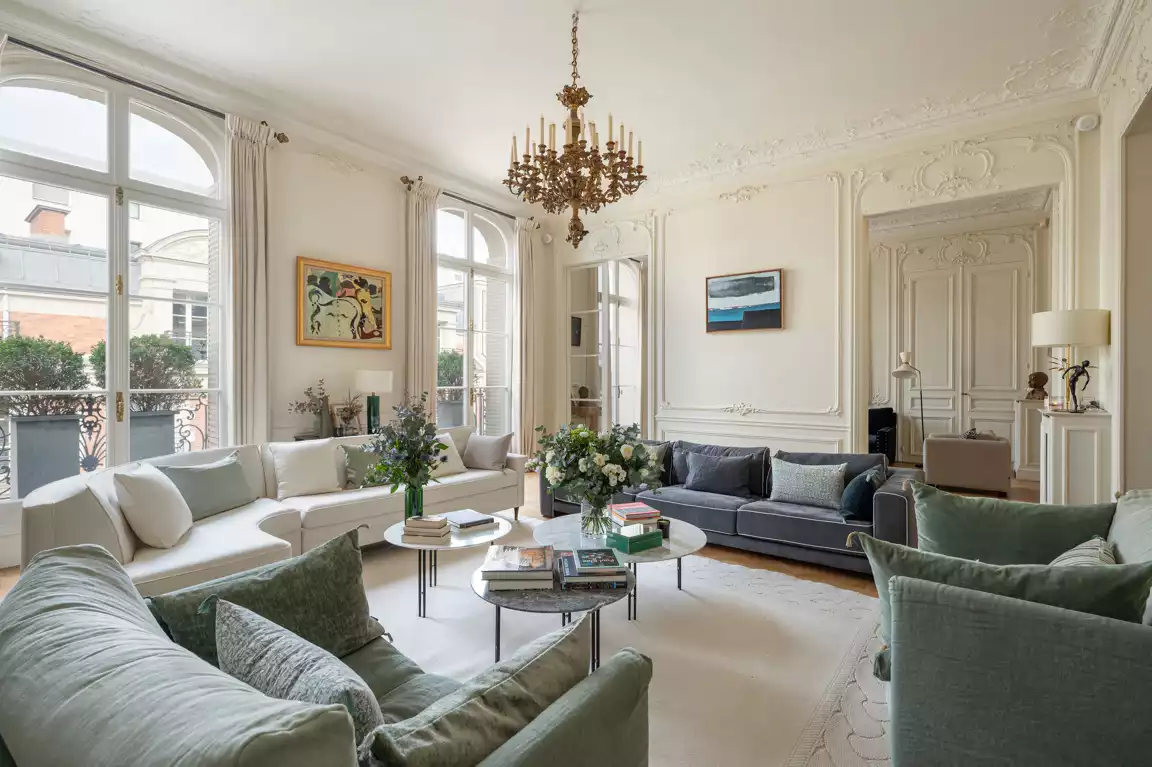
Apartments: A Practical Living Solution in Modern Urban Life
Apartments: A Practical Living Solution in Modern Urban Life – Apartments have become one of the most popular housing options in urban areas around the world. As cities continue to grow and land becomes more limited, apartment living offers a practical and efficient solution for individuals, families, and professionals. Beyond convenience, apartments reflect modern lifestyles that prioritize accessibility, comfort, and community.
For many people, choosing an apartment is not just about finding a place to live. It is about selecting a living environment that supports daily routines, work-life balance, and long-term goals. Apartments today come in various sizes, designs, and locations, making them suitable for a wide range of needs.
What Defines an Apartment?
An apartment is a residential unit located within a larger building that contains multiple living spaces. Unlike single-family homes, apartments share common areas such as hallways, elevators, parking facilities, and sometimes recreational spaces. These shared features help maximize land use while offering residents access to essential amenities.
Apartments can be found in low-rise, mid-rise, and high-rise buildings. Each type offers different advantages depending on location, city planning, and lifestyle preferences. Urban centers often feature high-rise apartments that provide easy access to business districts, public transportation, and entertainment hubs.
Why Apartment Living Is Increasingly Popular
One of the main reasons apartments are in high demand is their strategic location. Many apartment buildings are situated near offices, shopping centers, schools, and public services. This proximity reduces commuting time and supports a more efficient daily routine.
Maintenance is another key factor. Apartment residents usually benefit from professional building management that handles repairs, security, and common area maintenance. This allows residents to focus on their personal and professional lives without worrying about property upkeep.
Apartments also offer a sense of community. Shared spaces such as lounges, gyms, and gardens encourage interaction among residents. For people who value social connection without sacrificing privacy, apartment living offers a balanced environment.
Types of Apartments
Apartments come in various formats to suit different needs. Studio apartments are compact units that combine living, sleeping, and kitchen areas into a single space. They are popular among young professionals and individuals seeking affordability and simplicity.
One-bedroom and two-bedroom apartments provide more space and privacy, making them suitable for couples or small families. Larger units may include additional rooms, balconies, or flexible spaces that can be used as home offices.
Serviced apartments are another option, often designed for short-term stays. These units typically include furnished interiors and additional services, offering convenience for business travelers and temporary residents.
Apartment Design and Modern Features
Modern apartments are designed with functionality and comfort in mind. Open floor plans, natural lighting, and efficient layouts help maximize usable space. Many apartments incorporate modern materials and finishes that create a clean and contemporary look.
Technology has also become an integral part of apartment living. Features such as smart locks, energy-efficient lighting, and climate control systems improve convenience and sustainability. These innovations appeal to residents who value efficiency and environmental responsibility.
Storage solutions, sound insulation, and ventilation systems are carefully considered in well-designed apartments. These details significantly impact daily comfort and overall living quality.
Apartments as a Lifestyle Choice
Apartment living reflects changing lifestyle preferences, especially in urban environments. Many residents value flexibility, mobility, and access to city amenities over owning large properties. Apartments support this lifestyle by offering manageable spaces without compromising comfort.
For professionals, apartments located near business centers reduce commuting stress and allow more time for personal activities. Families benefit from access to schools, healthcare facilities, and recreational areas within close proximity.
Apartments also align with minimalist living trends. Smaller spaces encourage thoughtful organization and intentional living, which many people find refreshing in a fast-paced world.
Apartments and Real Estate Value
From a real estate perspective, apartments play an important role in urban development. They help accommodate growing populations while optimizing land use. In many cities, apartments are considered stable assets due to consistent demand.
Location remains a critical factor in apartment value. Proximity to transportation, commercial areas, and infrastructure significantly influences desirability. Well-maintained buildings with reliable management also tend to retain their value over time.
While this article focuses on lifestyle and information, it is worth noting that apartments often attract attention as long-term residential options due to their practicality and adaptability.
Choosing the Right Apartment
Selecting the right apartment involves careful consideration of several factors. Location should align with daily activities such as work, education, and transportation needs. The layout and size of the unit should match the household’s lifestyle and future plans.
Building facilities, security systems, and management quality also deserve attention. Visiting the property and observing its condition can provide valuable insight into long-term comfort.
Budget considerations are equally important. Beyond rent or purchase price, residents should consider service fees, utilities, and maintenance costs to ensure financial sustainability.
The Future of Apartment Living
As cities continue to evolve, apartment living is expected to grow alongside advancements in design and technology. Sustainable construction, green spaces, and smart building systems are becoming standard features in new developments.
Apartments are no longer seen as temporary housing solutions. They represent a modern approach to living that prioritizes efficiency, accessibility, and community. With thoughtful planning and design, apartments can support comfortable and fulfilling urban lifestyles.
Conclusion
Apartments have become a cornerstone of modern urban living. Their practical design, strategic locations, and evolving features make them suitable for a wide range of residents. Whether chosen for convenience, lifestyle, or accessibility, apartments offer a balanced living solution in today’s cities.
For many people, apartment living is not just a housing choice but a reflection of how they navigate modern life. With continued innovation and thoughtful development, apartments will remain an essential part of urban communities for years to come.