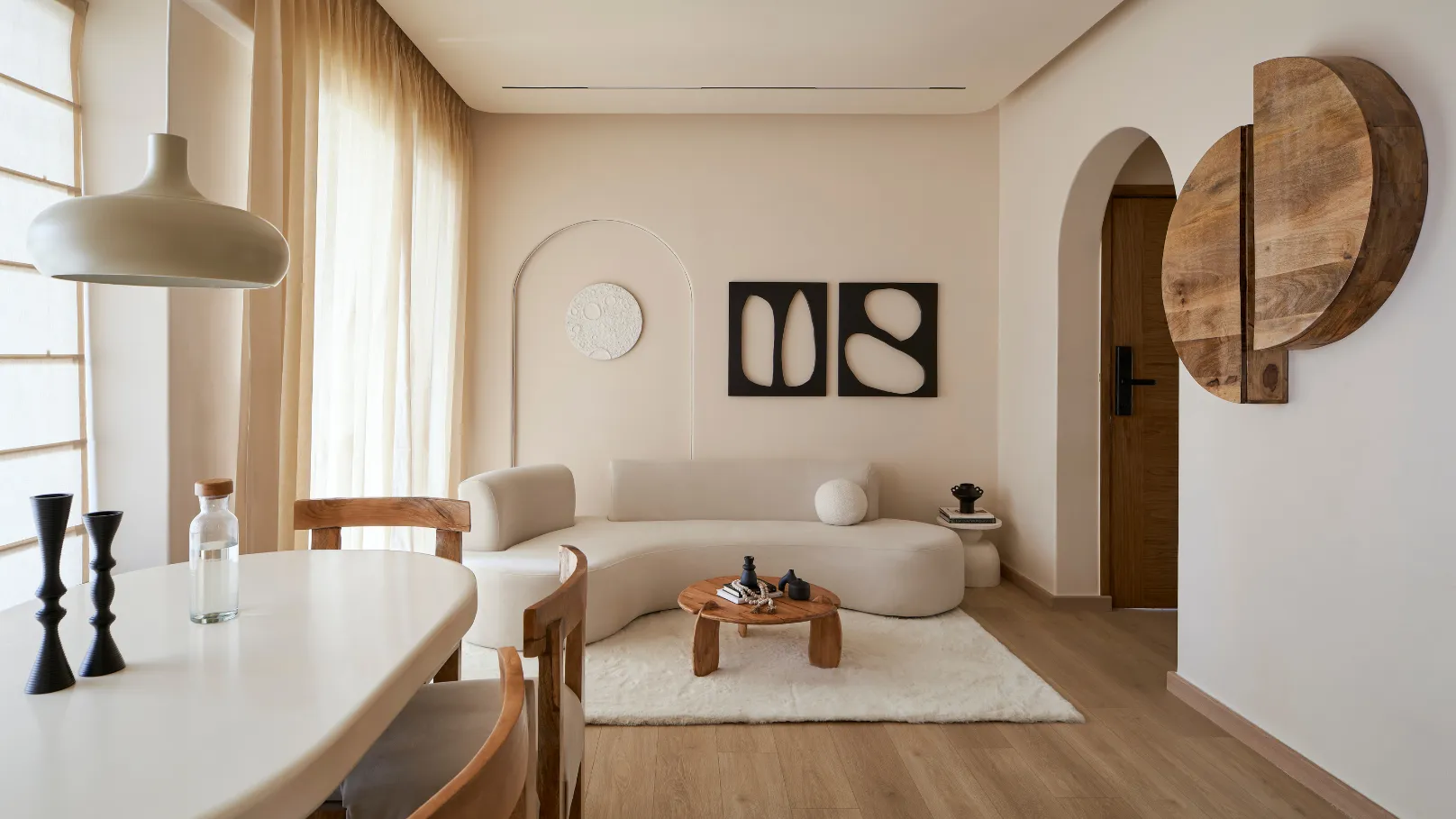
Minimalist Apartment Life: Where Less Really Means More
Minimalist Apartment Life Where Less Really Means More – Living in a small apartment once felt limiting. Limited space, limited storage, and limited freedom. But everything changed when I discovered minimalist apartment living.
Minimalism is not about empty rooms or strict rules. It is about intention. It is about choosing what truly matters and letting go of what does not. Inside a minimalist apartment, less is not a sacrifice. Less is clarity.
The Beginning of a Minimalist Lifestyle
My journey toward minimalism did not start with design inspiration or social media trends. It began with exhaustion.
Too many items, too much clutter, and too little peace. Cleaning took hours. Finding simple things felt stressful. My apartment no longer felt like a home, but a storage unit I lived inside.
Minimalism offered a simple idea. Keep what adds value. Remove what creates noise.
That mindset changed everything.
Understanding What Minimalist Living Really Means
Minimalism is often misunderstood as living without comfort. In reality, it is about living with purpose.
A minimalist apartment focuses on function, flow, and calm. Each item has a role. Every space has intention.
Instead of asking how much can fit inside an apartment, minimalism asks how little is actually needed.
Function Before Decoration
Minimalist spaces prioritize usefulness.
Furniture is chosen not only for appearance but for how it supports daily life. Clean lines, neutral colors, and open areas create breathing room both physically and mentally.
Nothing exists simply to fill space.
Creating Space in a Small Apartment
You do not need a large home to live minimally. In fact, small apartments benefit the most.
Removing visual clutter instantly makes rooms feel larger. Open floors allow natural light to flow freely. Even narrow layouts become comfortable when space is respected.
Storage That Stays Invisible
Minimalist apartments use smart storage rather than excess furniture.
Hidden compartments, under-bed storage, and wall-mounted shelves keep essentials organized without overwhelming the room. The goal is not to hide clutter, but to prevent it.
Why Less Furniture Feels Better
Too much furniture limits movement and energy.
A minimalist apartment uses fewer pieces, but better ones. A comfortable sofa, a practical table, and proper lighting often replace multiple unnecessary items.
This simplicity creates freedom. Cleaning becomes easier. Rearranging becomes effortless. The home adapts to your life, not the other way around.
The Emotional Side of Minimalist Living
Minimalism is not only about physical space. It deeply affects emotional well-being.
Living with fewer possessions reduces daily decisions. There is less to manage, less to maintain, and less to worry about.
The apartment becomes a place of rest rather than stimulation.
Mental Clarity Through Simplicity
Clutter quietly drains energy.
When the environment is calm, the mind follows. Many people notice reduced anxiety, better focus, and improved sleep after embracing minimalist living.
The apartment feels lighter because the mind becomes lighter too.
Choosing Quality Over Quantity
Minimalist living does not mean cheap or boring.
It emphasizes quality.
Instead of many low-quality items, a minimalist apartment contains fewer but more durable pieces. Furniture lasts longer. Clothing fits better. Objects hold meaning.
This shift reduces waste and creates long-term satisfaction.
A Home That Reflects Personal Values
Minimalism allows space for identity.
When possessions are reduced, what remains becomes more visible. Artwork feels intentional. Textures feel warmer. Personal items stand out instead of getting lost among clutter.
The apartment becomes a reflection of values rather than consumption habits.
Design That Feels Personal
Minimalist interiors do not have to look cold.
Natural wood, soft fabrics, plants, and warm lighting add personality without excess. Simplicity becomes a canvas rather than a limitation.
Minimalism and Daily Routines
Daily life becomes smoother in a minimalist apartment.
Mornings feel calmer without mess. Cleaning takes minutes instead of hours. Cooking becomes easier when counters remain clear.
These small improvements create powerful long-term benefits.
Time Becomes the Greatest Reward
Less stuff means more time.
Time once spent organizing, cleaning, and shopping becomes time for rest, creativity, and relationships. Minimalism quietly gives life back.
Letting Go Without Regret
One of the hardest parts of minimalist living is letting go.
Many items carry emotional attachment. Minimalism teaches that memories do not live inside objects. They live inside us.
Releasing unused items often brings relief rather than loss.
Sustainability and Conscious Living
Minimalist apartments naturally support sustainability.
Buying less reduces waste. Choosing durable items lowers environmental impact. Energy use becomes more intentional.
Minimalism aligns comfort with responsibility.
Why Minimalist Apartment Living Works Long-Term
Minimalism is not a temporary trend.
It adapts as life changes. Whether living alone, working remotely, or sharing space, the minimalist mindset remains flexible.
The apartment grows with you rather than filling against you.
The Freedom of Living With Less
Perhaps the greatest benefit of minimalist apartment life is freedom.
Freedom from excess.
Freedom from constant consumption.
Freedom from managing things that add no real value.
When less surrounds you, more becomes possible.
More calm.
More focus.
More meaning.
Final Thoughts
Minimalist apartment living is not about deprivation. It is about alignment.
It is about creating a home that supports your life instead of distracting from it. By choosing intention over accumulation, space over clutter, and quality over quantity, your apartment transforms into a place of clarity.
In a world that constantly demands more, minimalism offers something rare.
Peace.
Because when done thoughtfully, less truly means more.