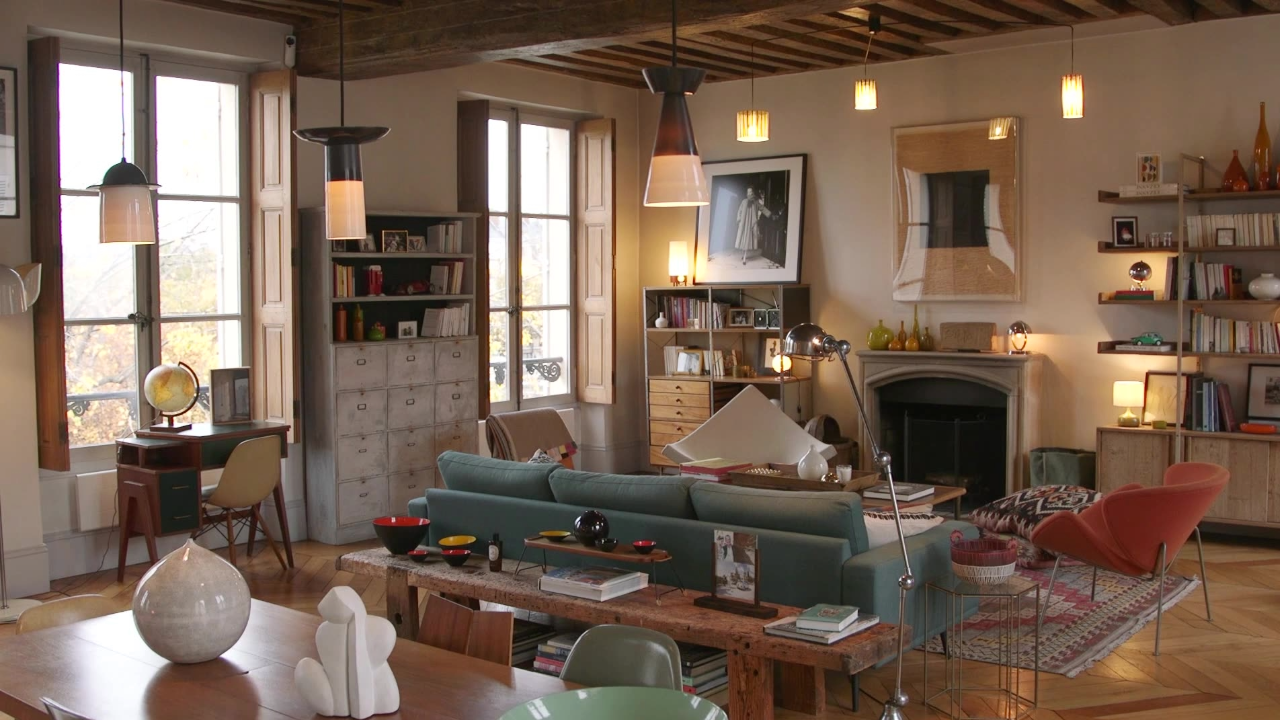
Something Is Watching Inside This Apartment – Have you ever felt that uncanny sensation of being watched in your own home? That sudden shiver down your spine when you realize something—or someone—might be observing your every move? For many, the idea of a safe haven being invaded by unseen eyes is terrifying. Apartments, often seen as personal sanctuaries, can sometimes feel strangely exposed. The concept of “something watching inside this apartment” taps into a deep, primal fear that resonates with countless people, especially in urban living spaces.
The Uneasy Feeling of Being Watched
There’s a subtle difference between hearing a strange noise or seeing a shadow and feeling the presence of someone—or something—watching. In apartments, this sensation is heightened because of proximity. Walls thin enough to hear neighbors, windows that look out onto crowded streets, and common entryways all create an environment where privacy is delicate. Many people report an almost physical sensation of observation, even when no one else is in the apartment.
Psychologists say this feeling is tied to our brain’s natural alert system. Humans are wired to detect potential threats. When we perceive subtle changes in our environment—like a door slightly ajar, a flickering light, or unexplained movements—our mind may interpret these as signs that we are not alone. It’s not always paranormal, but the fear feels just as real.
Common Signs That Something Might Be Watching
While some cases are purely psychological, others are more tangible. Residents often describe unusual occurrences in their apartments that hint at a presence watching them. Objects might move slightly, lights flicker without explanation, or strange sounds echo through empty rooms. Some even feel that the temperature drops inexplicably in certain areas, creating an icy sense of being observed.
Another key factor is technology. In modern apartments, cameras, smart devices, and even voice assistants can unintentionally make people feel watched. While most of these devices are harmless, the perception of surveillance can trigger anxiety. The idea that someone could remotely observe your daily life adds a new layer to the classic fear of unseen watchers.
Psychological Effects of Feeling Observed
Feeling watched can have serious mental and emotional impacts. Anxiety often spikes in these situations. Residents may become hyper-aware of every sound and movement in their apartments, losing a sense of comfort in their own homes. Sleep disturbances are common, as the fear of being watched can make relaxation difficult. Over time, this constant vigilance can affect mental health, leading to stress-related symptoms like headaches or insomnia.
Interestingly, even the absence of any actual observer doesn’t lessen the psychological impact. The mere sensation of being watched activates the brain’s threat detection system. This is why people sometimes report fleeting shadows, whispers, or feelings of presence that others cannot perceive. It’s not always about physical evidence; it’s about the emotional weight of the experience.
Real Stories from Apartment Residents
Stories about being watched inside apartments are surprisingly common. Many urban dwellers have shared experiences of unexplained phenomena. Some speak of recurring shadows at the edge of their vision. Others describe objects appearing in different places without explanation, or doors that open and close on their own. Whether these incidents are paranormal or not, they underscore a universal vulnerability felt in private living spaces.
One resident shared that she often felt eyes on her while working late at night. After double-checking locks, reviewing security footage, and consulting neighbors, no one was ever found. The sensation persisted, however, leading her to make small changes in lighting and room layout to feel more in control of her space. Stories like hers highlight the blend of real-world and psychological elements in these experiences.
How to Protect Yourself and Regain Comfort
The feeling of being watched doesn’t have to dominate your life. Simple steps can help restore a sense of safety and control in your apartment. Improving lighting, ensuring all entry points are secure, and installing cameras or alarms can give peace of mind. For those sensitive to environmental changes, small adjustments like rearranging furniture or adding curtains can make spaces feel more private and less exposed.
Mental strategies are equally important. Mindfulness practices, grounding exercises, and even consulting professionals can help manage anxiety. Acknowledging the fear without letting it control your daily routine is key. Over time, residents often find that awareness and precautionary measures reduce the intensity of the sensation.
The Intersection of Fear and Reality
The idea that something is watching inside an apartment sits at the intersection of fear and reality. While some incidents may have logical explanations—noisy neighbors, structural quirks, or technical glitches—the emotional experience is undeniable. Urban living, with its inherent closeness and exposure, amplifies these feelings. Recognizing that fear is both a psychological and environmental response helps residents navigate these unnerving experiences.
What makes the sensation truly compelling is its universality. Almost everyone has experienced a moment of unease in a private space. Apartments, being highly personal yet exposed to others in close proximity, are the perfect setting for these feelings. Whether the watcher is real or imagined, the effect on the individual is tangible.
Conclusion: Living With the Feeling
Ultimately, the sensation of being watched inside an apartment is a blend of human psychology, environmental factors, and personal perception. While some experiences may lean toward the paranormal or unexplained, most can be addressed with practical safety measures and mental strategies. Understanding the nature of this fear, and taking steps to reclaim comfort in your home, allows residents to live fully without constant unease.
Apartments should feel like sanctuaries, even when the shadows hint at a presence beyond what we see. Awareness, precaution, and self-care can turn the anxiety of being watched into a manageable awareness. In the end, acknowledging the sensation without letting it dominate life is the best way to reclaim peace inside your own walls.