Apartment Living Trends in Urban Indonesia
Apartment Living Trends in Urban Indonesia – Urban Indonesia is changing fast. Cities are expanding, skylines are rising, and the way people live is evolving with it. In major hubs like Jakarta, Surabaya, and Bandung, apartment living is no longer just an alternative housing option. It has become a lifestyle choice.
Over the past decade, apartment living trends in urban Indonesia have shifted dramatically. Young professionals, small families, and even retirees are choosing vertical living over traditional landed houses. Rising land prices, traffic congestion, and the need for convenience are reshaping residential preferences across the country.
This article explores the latest apartment living trends in urban Indonesia and why this property segment continues to grow rapidly.
The Rise of Vertical Living in Major Cities
Urbanization plays a huge role in Indonesia’s apartment boom. As more people migrate to large cities for work and education, the demand for practical housing solutions increases. Limited land availability in central business districts makes vertical development the most logical solution.
In cities like Jakarta, daily commuting can take hours. Living close to offices, malls, and public transportation is no longer a luxury but a necessity. Apartments located near MRT stations, business districts, and lifestyle centers attract strong demand because they save time and reduce transportation stress.
Developers understand this shift. Modern apartment projects are now built as integrated developments, combining residential towers with retail spaces, office areas, and entertainment facilities. This mixed-use concept makes apartment living more appealing, especially for millennials who value convenience and accessibility.
Why Young Professionals Prefer Apartments
One of the strongest drivers of apartment living trends in urban Indonesia is the younger generation. Millennials and Gen Z professionals are entering the workforce with different priorities compared to previous generations.
Instead of aiming immediately for large houses in suburban areas, many young workers prefer compact, well-designed apartments in strategic locations. Living near their workplace allows them to enjoy better work-life balance. They can avoid long commutes and spend more time socializing or pursuing hobbies.
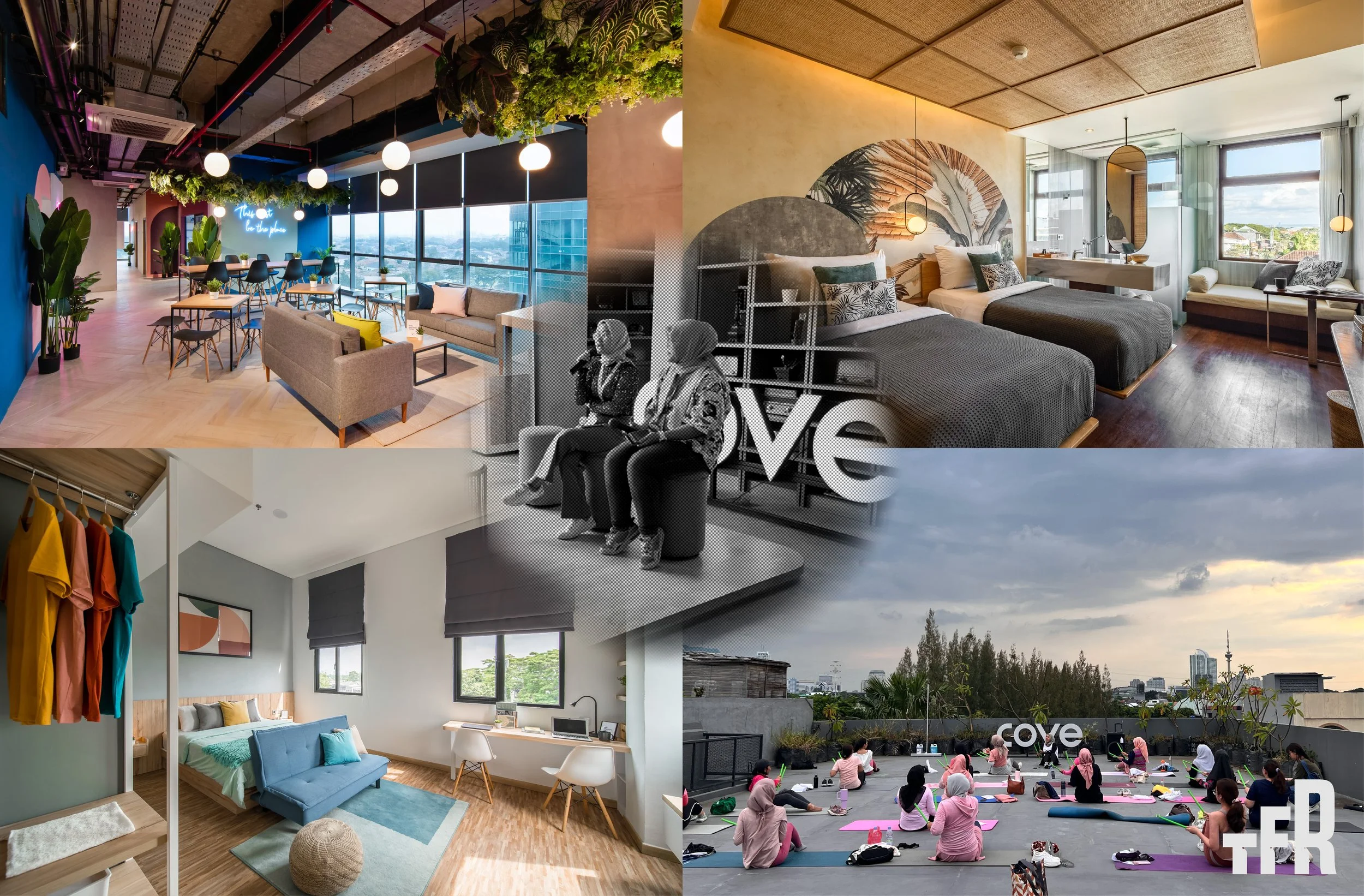
Another important factor is lifestyle. Urban apartments often offer facilities such as swimming pools, gyms, coworking spaces, and 24-hour security. These amenities create a comfortable and modern living environment without the maintenance burden of a landed house.
Affordability also plays a role. While property prices in prime areas of Jakarta continue to rise, smaller apartment units remain relatively accessible compared to landed homes in the same location. For first-time buyers, this becomes an attractive entry point into property ownership.
Compact Living and Smart Design
As apartment living becomes more popular, unit designs are evolving. Developers are focusing on efficient layouts that maximize limited space. Studio and one-bedroom units are especially in demand among single professionals and young couples.
Smart storage solutions, multifunctional furniture, and open-plan layouts help create a sense of spaciousness. Interior design trends in urban Indonesian apartments often emphasize minimalism, neutral colors, and natural lighting.
Technology is also influencing apartment living trends in urban Indonesia. Smart home systems are increasingly integrated into new developments. Residents can control lighting, air conditioning, and security systems directly from their smartphones. This feature appeals strongly to tech-savvy urban dwellers who prioritize convenience and security.
The idea of compact living is no longer associated with compromise. Instead, it is seen as a practical and stylish way to adapt to urban realities.
Investment Potential in Urban Apartments
Beyond lifestyle, apartments in Indonesia are also seen as attractive investment assets. Rapid urban growth ensures consistent demand for rental properties, especially in central areas and near universities.
Cities like Bandung and Surabaya have strong student and professional populations. This creates steady rental demand for studio and small apartment units.
Investors are particularly interested in properties located near transportation hubs or large commercial centers. Developments around transit-oriented areas tend to have higher occupancy rates and stable rental yields.
Short-term rental platforms have also influenced apartment investment trends. Although regulations continue to evolve, many property owners explore flexible rental strategies to maximize returns.
As infrastructure projects expand across Indonesia, including new toll roads and public transport systems, previously less accessible areas are becoming more attractive. This infrastructure development indirectly supports the long-term growth of the apartment market.
Lifestyle Changes After the Pandemic
The pandemic significantly changed the way urban residents view their homes. Apartments are no longer just places to sleep; they must accommodate remote work, online meetings, and daily activities within a limited space.
Developers responded by designing units with flexible layouts. Some new projects include dedicated work corners or shared coworking facilities within the building. Reliable internet connectivity has become a crucial selling point.
Health and safety are now top priorities. Improved ventilation systems, touchless access, and enhanced cleaning protocols have become standard features in many new developments.
Residents are also paying more attention to open spaces. Apartments with balconies, rooftop gardens, or easy access to green areas are increasingly preferred. Even in dense cities like Jakarta, the presence of communal outdoor spaces significantly increases a property’s appeal.
The Influence of Transit-Oriented Development
Transit-oriented development is shaping apartment living trends in urban Indonesia. Projects located near MRT, LRT, or commuter train stations attract strong demand from both buyers and renters.
In Jakarta, the expansion of modern public transportation has transformed surrounding neighborhoods. Areas that were once considered secondary are now emerging as property hotspots.
Living near public transport reduces reliance on private vehicles, lowers transportation costs, and improves overall quality of life. For urban residents who deal with daily traffic congestion, this factor alone can determine their housing decision.
As more cities in Indonesia develop integrated transportation systems, apartment projects linked to these networks are expected to dominate the market.
The Future of Apartment Living in Indonesia
Looking ahead, apartment living in urban Indonesia will likely continue to grow. Population density in major cities shows no sign of slowing down. Land scarcity and rising property prices will further push vertical development.
Developers are becoming more creative in offering themed residences, eco-friendly buildings, and community-based concepts. Sustainability is slowly entering the conversation, with green building certifications and energy-efficient systems gaining attention.
At the same time, consumer preferences are becoming more sophisticated. Buyers are not only looking at price and location but also at developer reputation, building management quality, and long-term value.
Apartment living trends in urban Indonesia reflect a broader transformation in urban culture. Convenience, connectivity, and community are redefining what it means to own or rent a home in the city.