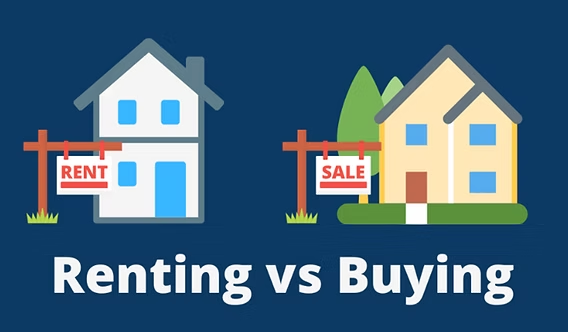
Renting vs Buying: Which Is Right for You?
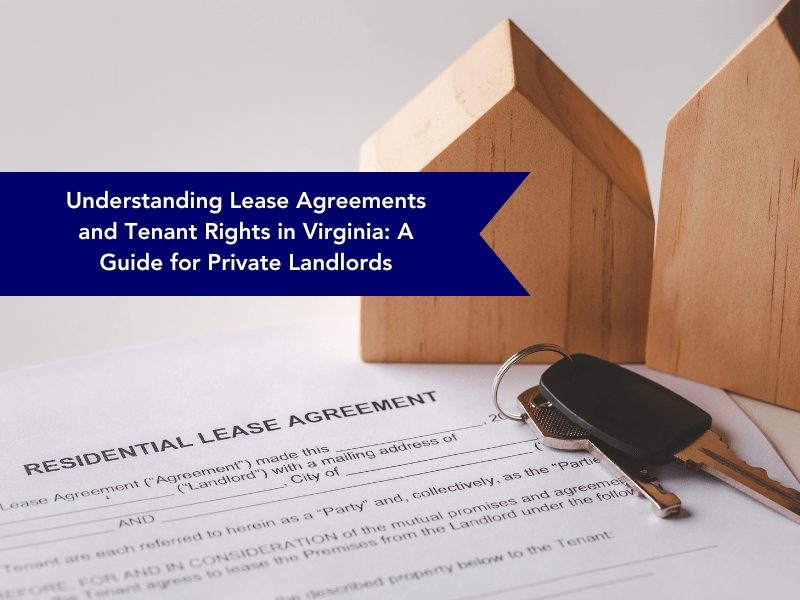
Understanding Lease Agreements and Tenant Rights
Understanding Lease Agreements and Tenant Rights – Renting a home or an apartment is a significant decision, and one of the most important steps in this process is signing a lease agreement. While many tenants may skim through these documents, understanding the details of a lease and knowing your rights as a tenant can save you from unnecessary stress and potential legal issues.
A lease agreement is more than just a piece of paper—it’s a legally binding contract between you and your landlord. It sets the rules for your stay, including rent payments, property maintenance, and your responsibilities as a tenant. Taking the time to understand these agreements fully can give you confidence and clarity throughout your rental journey.
What is a Lease Agreement?
A lease agreement is a formal contract that outlines the terms of renting a property. Unlike a rental agreement, which is usually month-to-month, a lease typically locks in the rental terms for a specific period, often six months or a year. This agreement details the amount of rent, due dates, security deposits, and the rules you must follow while living in the property.
For tenants, the lease agreement acts as a safeguard. It protects you by clearly stating what the landlord can and cannot do, and it ensures that you have a clear understanding of your responsibilities. For landlords, it serves as a legal document that protects their property and ensures that tenants adhere to agreed-upon terms.
Key Components of a Lease Agreement
Understanding a lease starts with knowing its essential elements. While leases may vary from property to property, most agreements include several common components.
First, there is the rent clause, which specifies how much you owe, when it’s due, and acceptable payment methods. Some leases may also include penalties for late payments or bounced checks.
Next, the security deposit section explains how much money you need to pay upfront, what it covers, and the conditions under which it will be returned at the end of your tenancy. Knowing this part of your lease can help avoid disputes when you move out.
Other important sections cover maintenance and repairs, outlining who is responsible for fixing issues, and rules regarding property use, such as pet policies, subletting, or smoking. These clauses ensure both parties understand their responsibilities and prevent misunderstandings.
Finally, most leases include a termination clause, explaining how to end the lease, penalties for breaking it early, and the notice period required. Reading this section carefully can prevent unexpected fees or legal complications.
Understanding Tenant Rights
While a lease agreement outlines your obligations, it also protects your rights as a tenant. Knowing these rights is essential, especially if any issues arise during your stay.
One of the most fundamental rights is the right to a habitable property. Landlords are legally required to provide a safe and livable environment, including working plumbing, electricity, and proper heating or cooling systems. If the property fails to meet these standards, tenants usually have the right to request repairs or even withhold rent in certain situations.
Tenants also have the right to privacy. Landlords cannot enter your rental unit without proper notice, except in emergencies. This ensures that you have control over your living space and are protected from unwarranted intrusions.
Another critical tenant right involves protection against discrimination. Housing laws prevent landlords from refusing to rent based on race, gender, religion, family status, or disability. Understanding these protections can help tenants stand up against unfair treatment.
Finally, tenants often have the right to receive a written lease and clear information about rent, deposits, and fees. A signed lease protects both parties and ensures that any disputes can be resolved fairly.
Tips for Reviewing a Lease Agreement
Before signing a lease, it’s important to read it carefully and understand each section. Here are some practical tips for tenants.
Start by reviewing the rent and payment terms. Make sure the rent amount and due date are clear and manageable for your budget. Confirm whether utilities are included or if you’ll need to cover them separately.
Next, pay attention to the maintenance responsibilities. Clarify which repairs you are responsible for and which the landlord must handle. Knowing this can save frustration and money down the line.
Check the rules and restrictions carefully. This may include pet policies, parking rules, noise restrictions, or limits on decorating your space. Ensure you are comfortable with all conditions before committing.
Finally, review the termination and renewal clauses. Understand the notice period for ending the lease and the process for renewing it. This helps you plan ahead and avoid surprises.
Common Lease Agreement Issues and How to Handle Them
Even with a thorough understanding, tenants may encounter issues during their lease. Some of the most common problems include disputes over repairs, security deposit returns, or unexpected fees.
If a problem arises, the first step is usually to communicate with your landlord. Many issues can be resolved amicably through clear, written communication. Keep records of all messages, repair requests, and receipts.
If discussions don’t work, tenants may need to refer to local tenant laws. Many regions have agencies or legal resources that protect tenant rights and offer guidance on resolving disputes.
It’s also wise to document the condition of the property when moving in and out. Taking photos or videos ensures you have proof of any existing damage and can prevent disputes over security deposits.
Final Thoughts
Understanding lease agreements and tenant rights is crucial for anyone renting a home or apartment. A lease is more than a formality—it’s a roadmap for your stay, outlining responsibilities, protections, and expectations for both you and your landlord.
Being informed helps you avoid conflicts, ensures you enjoy a safe and comfortable living space, and protects your rights as a tenant. Take the time to read and understand your lease, ask questions if needed, and know your rights. A little preparation can lead to a smooth and worry-free renting experience.
By prioritizing awareness and clear communication, tenants can confidently navigate the rental process while safeguarding their interests.

How to Make the Most of Small Apartment Spaces
How to Make the Most of Small Apartment Spaces – Living in a small apartment doesn’t mean you have to sacrifice comfort or style. In fact, with the right approach, a compact home can feel just as functional and inviting as a larger one. Many people today choose smaller apartments for practical reasons, whether it’s location, budget, or a simpler lifestyle. The key is knowing how to make the most of small apartment spaces without making them feel crowded.
When every square foot matters, smart planning becomes your best friend. From choosing the right furniture to maximizing vertical storage, small space living is all about thoughtful decisions. If you’re ready to transform your limited space into a cozy, organized haven, this guide will walk you through practical and realistic ideas you can actually use.
Start with Smart Space Planning
Before buying new furniture or reorganizing your layout, take a good look at your apartment. Measure your rooms carefully and think about how you move around the space every day. Understanding your habits will help you design a layout that supports your lifestyle.
In small apartment living, less is often more. Avoid filling every corner just because it’s empty. Instead, prioritize functionality. For example, if you work from home, dedicate a specific corner for a compact desk rather than squeezing in oversized furniture that limits movement.
Try to create clear zones, even in a studio apartment. A small rug can define your living area, while a bookshelf can act as a subtle divider between the bedroom and living space. These small changes make your apartment feel more structured without adding walls.
Choose Multi-Functional Furniture
One of the best small apartment ideas is investing in multi-functional furniture. This is where you can truly maximize space without compromising comfort.
A sofa bed is a classic solution. It gives you a cozy place to sit during the day and transforms into a sleeping area at night, perfect for studio apartments or hosting guests. Storage ottomans are another smart option. They provide extra seating and hidden storage for blankets, books, or seasonal items.
Extendable dining tables are also ideal for compact spaces. You can keep them small for everyday use and expand them when friends come over. Beds with built-in drawers help you store clothes or linens without needing an additional dresser.
When shopping for furniture for small apartments, always ask yourself: does this item serve more than one purpose? If the answer is yes, it’s likely a smart addition to your space.
Think Vertical, Not Just Horizontal
Many people forget about vertical space. Walls are valuable real estate in a small apartment. Installing floating shelves can free up floor space while providing room for books, plants, or decorative pieces.
Tall bookcases that reach close to the ceiling draw the eye upward, making the room feel larger. Wall-mounted desks and fold-down tables are also excellent for small space organization. They can be tucked away when not in use, keeping the area open and airy.
Hooks and pegboards in the kitchen or entryway can hold everyday items without cluttering countertops. By thinking vertically, you’ll quickly realize how much unused space you actually have.
Use Light and Color to Your Advantage
Color and lighting play a huge role in how spacious your apartment feels. Light, neutral colors such as white, beige, or soft gray can make a room appear larger and brighter. This doesn’t mean everything has to be plain. You can still add personality through accent pillows, artwork, or rugs.
Mirrors are a powerful tool in small apartment design. Placing a large mirror opposite a window reflects natural light and creates the illusion of more space. Even a few smaller mirrors strategically placed around the room can open up tight areas.
Natural light is your best friend. Avoid heavy curtains that block sunlight. Instead, choose sheer or light-filtering curtains that maintain privacy while allowing brightness to flow in. If natural light is limited, use layered lighting. Combine ceiling lights, floor lamps, and table lamps to eliminate dark corners and make the apartment feel more open.
Keep Clutter Under Control
No matter how well you design your apartment, clutter can quickly make it feel cramped. Small space organization is not just about storage solutions; it’s also about being intentional with what you own.
Regularly go through your belongings and donate or discard items you no longer use. The fewer unnecessary things you have, the easier it is to maintain a tidy home. Adopt a simple rule: if something doesn’t serve a purpose or bring value, it might not deserve space in your apartment.
Use storage baskets, under-bed containers, and drawer organizers to keep small items neatly arranged. Labeling boxes can also save time and prevent chaos when you’re searching for something specific.
A clean and organized apartment instantly feels larger, even if the square footage hasn’t changed.
Create Hidden Storage Solutions
Hidden storage is essential for making the most of small apartment spaces. Look for opportunities that are not immediately obvious.
The area under your bed can hold seasonal clothes, shoes, or extra bedding. The top of kitchen cabinets can store items you rarely use. Behind doors, you can install slim racks for shoes, cleaning supplies, or accessories.
In the living room, choose a coffee table with built-in storage. In the bedroom, consider a headboard with shelves. These subtle additions help keep everyday items out of sight while still easily accessible.
Define Your Personal Style
Just because your apartment is small doesn’t mean it has to feel temporary or generic. Adding personal touches makes the space truly yours and increases comfort.
Choose a consistent color palette to create harmony throughout the apartment. This helps avoid a chaotic look, especially in open layouts. Display a few meaningful decorations rather than overcrowding shelves with random items.
Plants are a great way to bring life into a small apartment. Even a few small indoor plants can make the space feel fresh and welcoming. If floor space is limited, hang planters near windows or place small pots on shelves.
When your apartment reflects your personality, it feels bigger in a different way. It becomes a place where you enjoy spending time, rather than just a place to sleep.
Maximize Every Room
Each area of your apartment deserves attention. In the kitchen, use stackable containers to save cabinet space. Magnetic strips for knives or spice racks mounted on the wall can clear up valuable counter space.
In the bathroom, install shelves above the toilet or use slim cabinets that fit into tight corners. Over-the-door organizers are perfect for toiletries and towels.
For the bedroom, keep nightstands minimal. Wall-mounted lamps can free up surface space. If your closet is small, use matching hangers and double hanging rods to maximize storage.
By focusing on each room individually, you’ll find creative ways to improve functionality without major renovations.
Embrace a Minimalist Mindset
At the heart of small apartment living is a mindset shift. Instead of wishing for more space, learn to appreciate and optimize what you have. A smaller home often means lower maintenance, easier cleaning, and a more intentional lifestyle.
Minimalism doesn’t mean living with nothing. It means choosing quality over quantity and ensuring every item has a place. When you approach your apartment with this mindset, decisions about furniture, decor, and storage become much clearer.
Living in a small apartment can be surprisingly freeing. With smart layout planning, multi-functional furniture, clever storage ideas, and a touch of creativity, you can turn even the tiniest space into a comfortable and stylish home.

Apartment Hunting 101: What to Look for
Apartment Hunting 101: What to Look for – Apartment hunting can feel exciting at first. Scrolling through listings, imagining your furniture in a new living room, picturing your morning coffee by the window. But once you start visiting places, comparing prices, and reading lease agreements, it can quickly become overwhelming. That’s why understanding apartment hunting 101: what to look for is essential before you sign anything.
Finding the right apartment isn’t just about square footage or a pretty kitchen. It’s about location, budget, safety, long-term comfort, and how well the space fits your lifestyle. Whether you’re moving for work, school, or simply a change of scenery, knowing what truly matters will save you time, money, and stress.
Location Comes First, Always
One of the biggest factors in apartment hunting is location. You can renovate a kitchen or buy better furniture, but you can’t move the building to a different neighborhood. That’s why choosing the right area should be your first priority.
Think about your daily routine. How far is the apartment from your workplace? Is there easy access to public transportation? Are grocery stores, hospitals, and schools nearby? If you’re relocating to a major city like New York City, commute time alone can dramatically impact your quality of life.
Safety is another critical factor. Research crime rates in the neighborhood and visit the area at different times of the day. A place that feels lively and safe in the afternoon might feel very different late at night.
Proximity to Essentials
When considering what to look for in an apartment, don’t ignore small conveniences. Being close to supermarkets, pharmacies, and restaurants makes everyday life easier. If you enjoy outdoor activities, check whether parks or gyms are nearby. These small details may seem minor now, but over time, they make a big difference.
Set a Realistic Budget
Before falling in love with a modern apartment that stretches your finances, set a clear and realistic budget. Financial experts often recommend spending no more than 30% of your monthly income on rent. While this can vary depending on your situation, it’s a good starting point.
Remember that rent is not the only cost. You also need to consider utilities, internet, parking fees, security deposits, maintenance fees, and renter’s insurance. Some apartments include water or trash services, while others charge separately.
During apartment hunting, always ask what’s included in the monthly rent. Transparent costs help you avoid unpleasant surprises later.
Watch Out for Hidden Fees
Many first-time renters overlook additional charges. Application fees, pet deposits, move-in fees, and amenity fees can quickly add up. Make sure you read the lease agreement carefully before signing.
Understanding apartment hunting 101 means thinking beyond the advertised price and looking at the total monthly commitment.
Inspect the Apartment Carefully
Photos online can be misleading. Lighting, camera angles, and editing can make a small room look spacious and bright. That’s why in-person visits are crucial whenever possible.
When you tour an apartment, check the walls, ceilings, and floors for signs of damage. Look for water stains, cracks, or mold. Test light switches, faucets, and appliances. Open cabinets and closets to see how much storage space you actually have.
Pay attention to water pressure in the bathroom and kitchen. Flush the toilet. Turn on the shower. These simple checks can reveal plumbing issues that may become bigger problems later.
Natural Light and Ventilation
Good lighting and airflow are often underestimated. An apartment with plenty of natural light feels larger and more welcoming. Proper ventilation reduces humidity and prevents mold growth.
If possible, visit the apartment during the day to see how much sunlight enters the rooms. Ask about air conditioning, heating systems, and insulation. Comfort matters, especially if you live in areas with extreme weather conditions.
Evaluate Building Amenities and Management
Amenities can significantly influence your living experience. Some buildings offer gyms, swimming pools, laundry rooms, co-working spaces, or rooftop terraces. While these features are attractive, make sure they align with your lifestyle and justify any additional costs.
For example, in cities like Los Angeles, parking spaces can be extremely valuable. If you own a car, secure parking might be more important than having a fitness center.
Equally important is property management. A responsive and professional management team can make a huge difference when issues arise. Read online reviews, talk to current tenants if possible, and observe how quickly management responds to your questions during the application process.
Maintenance and Repairs
Ask how maintenance requests are handled. Is there a 24-hour emergency line? How long does it typically take to fix problems? A well-maintained building often reflects responsible management.
Poor maintenance can lead to long-term frustrations, especially if appliances break or plumbing fails.
Understand the Lease Terms
The lease agreement is a legally binding document, so take your time reviewing it. Never rush this step in your apartment hunting process.
Check the lease duration. Is it a 12-month contract, month-to-month, or longer? What are the penalties for breaking the lease early? Are rent increases allowed during renewal?
Make sure you understand policies regarding pets, subletting, guests, and renovations. Some apartments have strict rules that might not match your lifestyle.
Security Deposit and Refund Policies
Ask about the security deposit amount and the conditions for getting it back. Document the apartment’s condition when you move in. Take photos or videos as proof. This protects you from unfair deductions when you move out.
Apartment hunting 101 isn’t just about finding a nice place. It’s about protecting yourself legally and financially.
Think About Long-Term Comfort
It’s easy to focus on aesthetics, like modern countertops or stylish flooring. But long-term comfort matters more than design trends.
Consider noise levels. Are the walls thin? Can you hear traffic from the street? Visit during different times to get a better sense of the environment.
Storage space is another important factor. Closets, cabinets, and extra storage areas can help keep your living space organized and stress-free.
If you work remotely, think about whether the apartment has a quiet corner for a home office. Reliable internet connectivity is also crucial in today’s digital world.
Future Flexibility
Life changes. Maybe you’ll get a new job, adopt a pet, or have a partner move in. Choose an apartment that offers some flexibility for potential lifestyle changes.
Apartment hunting should balance your current needs with your future plans.
Final Thoughts on Apartment Hunting 101
Finding the right apartment takes patience, research, and attention to detail. From choosing the best location to reviewing lease terms carefully, every step plays a role in your overall living experience.
Apartment hunting 101: what to look for ultimately comes down to three core principles: affordability, functionality, and comfort. Don’t let flashy features distract you from practical essentials. Take your time, ask questions, and trust your instincts.
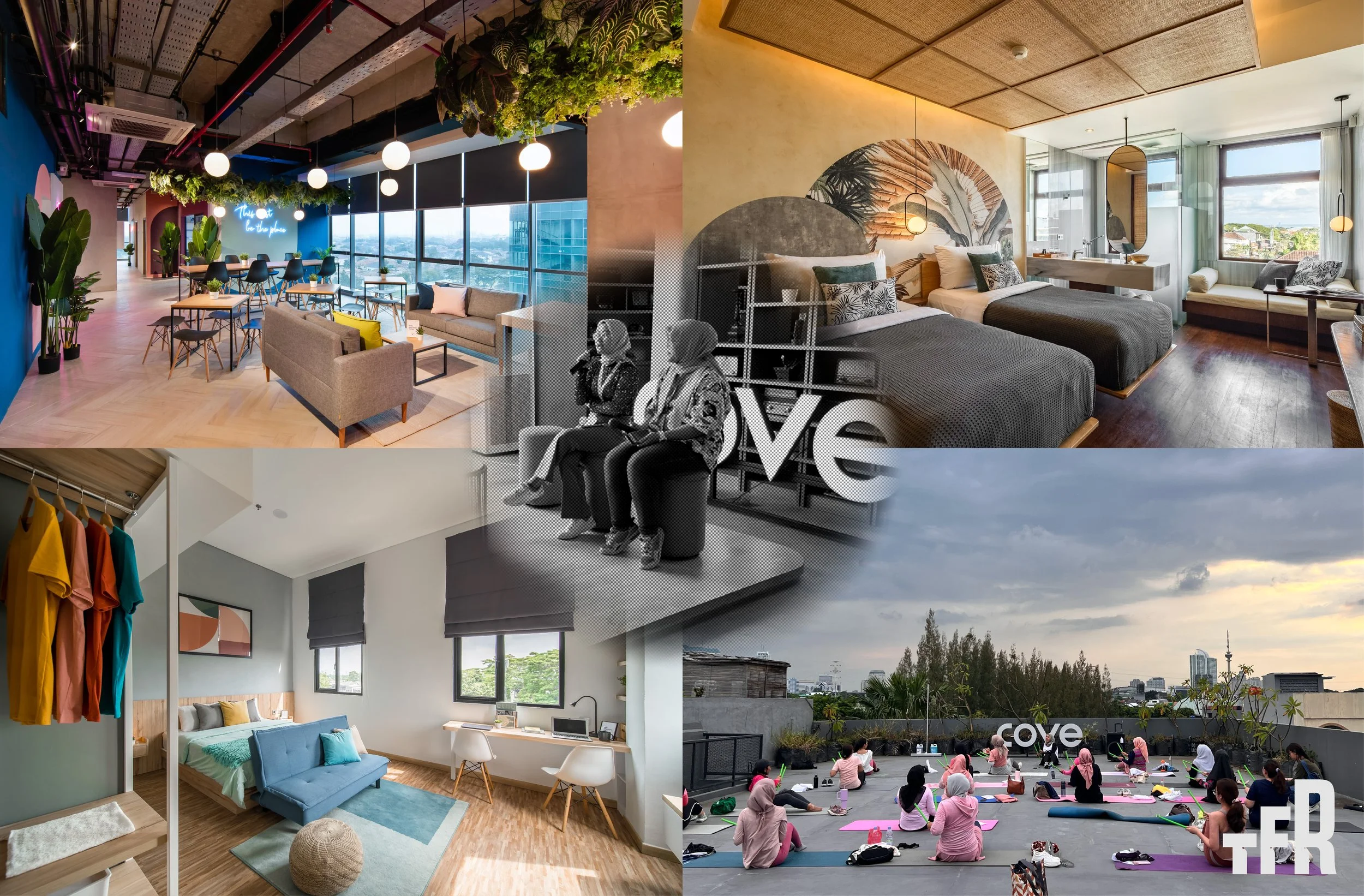
Apartment Living Trends in Urban Indonesia
Apartment Living Trends in Urban Indonesia – Urban Indonesia is changing fast. Cities are expanding, skylines are rising, and the way people live is evolving with it. In major hubs like Jakarta, Surabaya, and Bandung, apartment living is no longer just an alternative housing option. It has become a lifestyle choice.
Over the past decade, apartment living trends in urban Indonesia have shifted dramatically. Young professionals, small families, and even retirees are choosing vertical living over traditional landed houses. Rising land prices, traffic congestion, and the need for convenience are reshaping residential preferences across the country.
This article explores the latest apartment living trends in urban Indonesia and why this property segment continues to grow rapidly.
The Rise of Vertical Living in Major Cities
Urbanization plays a huge role in Indonesia’s apartment boom. As more people migrate to large cities for work and education, the demand for practical housing solutions increases. Limited land availability in central business districts makes vertical development the most logical solution.
In cities like Jakarta, daily commuting can take hours. Living close to offices, malls, and public transportation is no longer a luxury but a necessity. Apartments located near MRT stations, business districts, and lifestyle centers attract strong demand because they save time and reduce transportation stress.
Developers understand this shift. Modern apartment projects are now built as integrated developments, combining residential towers with retail spaces, office areas, and entertainment facilities. This mixed-use concept makes apartment living more appealing, especially for millennials who value convenience and accessibility.
Why Young Professionals Prefer Apartments
One of the strongest drivers of apartment living trends in urban Indonesia is the younger generation. Millennials and Gen Z professionals are entering the workforce with different priorities compared to previous generations.
Instead of aiming immediately for large houses in suburban areas, many young workers prefer compact, well-designed apartments in strategic locations. Living near their workplace allows them to enjoy better work-life balance. They can avoid long commutes and spend more time socializing or pursuing hobbies.
Another important factor is lifestyle. Urban apartments often offer facilities such as swimming pools, gyms, coworking spaces, and 24-hour security. These amenities create a comfortable and modern living environment without the maintenance burden of a landed house.
Affordability also plays a role. While property prices in prime areas of Jakarta continue to rise, smaller apartment units remain relatively accessible compared to landed homes in the same location. For first-time buyers, this becomes an attractive entry point into property ownership.
Compact Living and Smart Design
As apartment living becomes more popular, unit designs are evolving. Developers are focusing on efficient layouts that maximize limited space. Studio and one-bedroom units are especially in demand among single professionals and young couples.
Smart storage solutions, multifunctional furniture, and open-plan layouts help create a sense of spaciousness. Interior design trends in urban Indonesian apartments often emphasize minimalism, neutral colors, and natural lighting.
Technology is also influencing apartment living trends in urban Indonesia. Smart home systems are increasingly integrated into new developments. Residents can control lighting, air conditioning, and security systems directly from their smartphones. This feature appeals strongly to tech-savvy urban dwellers who prioritize convenience and security.
The idea of compact living is no longer associated with compromise. Instead, it is seen as a practical and stylish way to adapt to urban realities.
Investment Potential in Urban Apartments
Beyond lifestyle, apartments in Indonesia are also seen as attractive investment assets. Rapid urban growth ensures consistent demand for rental properties, especially in central areas and near universities.
Cities like Bandung and Surabaya have strong student and professional populations. This creates steady rental demand for studio and small apartment units.
Investors are particularly interested in properties located near transportation hubs or large commercial centers. Developments around transit-oriented areas tend to have higher occupancy rates and stable rental yields.
Short-term rental platforms have also influenced apartment investment trends. Although regulations continue to evolve, many property owners explore flexible rental strategies to maximize returns.
As infrastructure projects expand across Indonesia, including new toll roads and public transport systems, previously less accessible areas are becoming more attractive. This infrastructure development indirectly supports the long-term growth of the apartment market.
Lifestyle Changes After the Pandemic
The pandemic significantly changed the way urban residents view their homes. Apartments are no longer just places to sleep; they must accommodate remote work, online meetings, and daily activities within a limited space.
Developers responded by designing units with flexible layouts. Some new projects include dedicated work corners or shared coworking facilities within the building. Reliable internet connectivity has become a crucial selling point.
Health and safety are now top priorities. Improved ventilation systems, touchless access, and enhanced cleaning protocols have become standard features in many new developments.
Residents are also paying more attention to open spaces. Apartments with balconies, rooftop gardens, or easy access to green areas are increasingly preferred. Even in dense cities like Jakarta, the presence of communal outdoor spaces significantly increases a property’s appeal.
The Influence of Transit-Oriented Development
Transit-oriented development is shaping apartment living trends in urban Indonesia. Projects located near MRT, LRT, or commuter train stations attract strong demand from both buyers and renters.
In Jakarta, the expansion of modern public transportation has transformed surrounding neighborhoods. Areas that were once considered secondary are now emerging as property hotspots.
Living near public transport reduces reliance on private vehicles, lowers transportation costs, and improves overall quality of life. For urban residents who deal with daily traffic congestion, this factor alone can determine their housing decision.
As more cities in Indonesia develop integrated transportation systems, apartment projects linked to these networks are expected to dominate the market.
The Future of Apartment Living in Indonesia
Looking ahead, apartment living in urban Indonesia will likely continue to grow. Population density in major cities shows no sign of slowing down. Land scarcity and rising property prices will further push vertical development.
Developers are becoming more creative in offering themed residences, eco-friendly buildings, and community-based concepts. Sustainability is slowly entering the conversation, with green building certifications and energy-efficient systems gaining attention.
At the same time, consumer preferences are becoming more sophisticated. Buyers are not only looking at price and location but also at developer reputation, building management quality, and long-term value.
Apartment living trends in urban Indonesia reflect a broader transformation in urban culture. Convenience, connectivity, and community are redefining what it means to own or rent a home in the city.
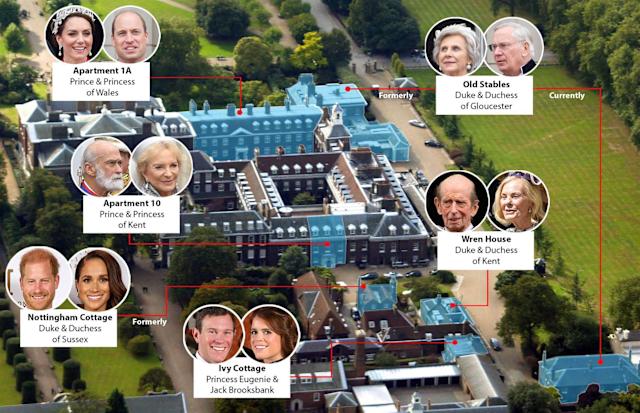
Royal Residences: Living in Palace Apartments
Royal Residences: Living in Palace Apartments – Royal Residences is more than just a luxury building. It’s a lifestyle where comfort, elegance, and modern design come together naturally. For anyone seeking a premium urban living experience, palace apartments provide not only space but also prestige and a sense of exclusivity. It’s about more than just square footage; it’s the feeling of living somewhere truly special.
In today’s property market, high-end buyers and renters are looking for homes that combine a prime location with thoughtful architecture. Royal Residences meets that demand, offering palace apartments that are stylish, functional, and built to impress. Every corner, from the grand entrance to the smallest interior detail, is carefully designed to create a lasting impression.
What Makes Royal Residences Stand Out?
The concept of Royal Residences is based on timeless sophistication. Palace apartments are built to be both beautiful and practical. Unlike standard apartments that focus only on looks, these residences prioritize privacy, functionality, and long-term value.
Location is a key factor. Royal Residences is usually found in prime areas, close to business centers, premium shopping, fine dining, and reputable schools. This ensures residents have convenience without sacrificing peace and quiet. Being near major city landmarks also increases property value, making these apartments a smart investment.
Architectural quality is another standout feature. From the exterior façade to the interior details, everything is designed to reflect luxury. High ceilings, large windows, and open-plan layouts create bright, airy spaces where natural light flows freely. The result is an apartment that feels expansive, welcoming, and refined.
Premium Design and Interior Quality
Step inside a palace apartment at Royal Residences, and the difference is clear. Every material is carefully selected for style and durability. Marble floors, high-quality wood finishes, and custom cabinetry create an environment that feels elegant yet comfortable.
Kitchens are built for modern lifestyles, featuring premium appliances and ample storage, making them both functional and social spaces. Bathrooms are designed like private spas, with high-end fixtures and finishes that encourage relaxation.
Lighting is intentionally placed to highlight design features while creating a warm, inviting atmosphere. Soundproofing ensures peace and privacy even in busy city locations. Altogether, these details create a living experience that is both luxurious and practical.
The Lifestyle of Palace Apartment Living
Choosing Royal Residences means embracing a life of comfort and exclusivity. Palace apartments are more than a place to sleep, they are personal sanctuaries where residents can recharge and feel inspired.
Residents often enjoy premium facilities such as private lounges, fitness centers, swimming pools, landscaped gardens, and secure parking. These amenities not only improve daily life but also create a sense of community among residents who share similar standards and expectations.
Security is a major benefit as well. Royal Residences typically offers 24-hour surveillance, controlled access, and professional management, giving residents peace of mind and allowing them to focus on work, family, or leisure.
Privacy and Prestige
One of the most attractive aspects of palace apartments is the balance between social interaction and privacy. Layouts are designed to reduce noise and avoid overcrowding. Limited units per floor and dedicated elevators contribute to a more exclusive environment.
Living in a development like Royal Residences also carries prestige. The address signals success, refined taste, and a commitment to quality living. For professionals and entrepreneurs, this can subtly enhance social status and personal branding.
Investment Potential of Royal Residences
Beyond lifestyle benefits, Royal Residences offers a strong investment opportunity. Luxury properties in prime locations maintain high demand for both sales and rentals. Palace apartments attract executives, expatriates, and high-net-worth individuals who value quality and convenience.
Property values are supported by limited supply and consistent demand. Developments like Royal Residences are carefully planned and built with high standards, preserving long-term value. Investors benefit from stable rental income and potential capital appreciation over time.
Well-maintained buildings also ensure long-term satisfaction. Professional management keeps common areas in top condition, protecting property value and making it appealing for future buyers or tenants.
Long-Term Comfort and Stability
For homeowners, palace apartments provide unmatched long-term stability. Secure environments, quality construction, and professional management reduce uncertainty. Families benefit from spacious layouts and proximity to schools and amenities. Professionals enjoy easy access to business districts, while retirees can appreciate comfort, safety, and convenience. Royal Residences adapts seamlessly to various lifestyles and life stages.
Modern Convenience Meets Timeless Elegance
Technology enhances life at Royal Residences. Smart home systems let residents control lighting, temperature, and security with ease, improving both convenience and energy efficiency.
Despite modern technology, the design remains timeless. Neutral palettes, elegant textures, and balanced proportions ensure the interiors stay stylish for years. Sustainability is also considered, with energy-efficient systems, quality insulation, and eco-friendly materials reducing environmental impact and long-term costs.
Why Royal Residences Is More Than Just an Apartment
Royal Residences is a place where residents feel proud to come home. Palace apartments represent more than luxury, they symbolize achievement, security, and thoughtful living.
In a crowded real estate market, Royal Residences stands out by combining location, design, lifestyle, and investment potential in one package. Every apartment is crafted to meet high expectations, offering both immediate comfort and long-term benefits.
For anyone looking to upgrade their lifestyle or invest in a high-value property, palace apartments at Royal Residences offer an unmatched opportunity. Here, modern convenience meets regal elegance, turning everyday living into an extraordinary experience.
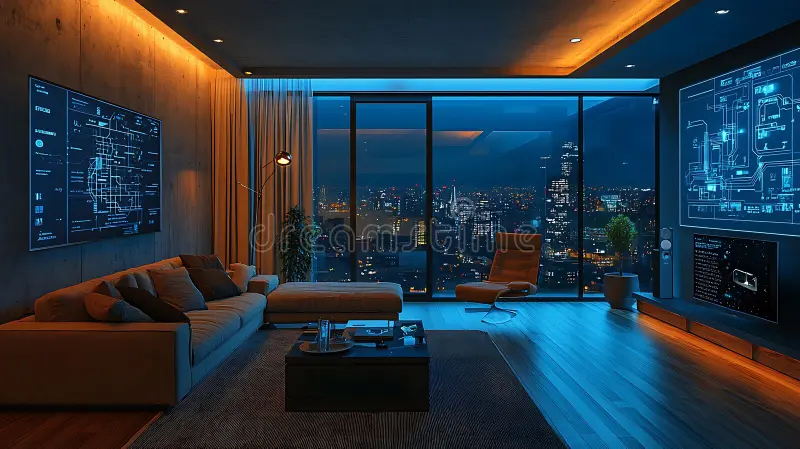
Apartment living with modern city vibes

Apartment Rental Guide
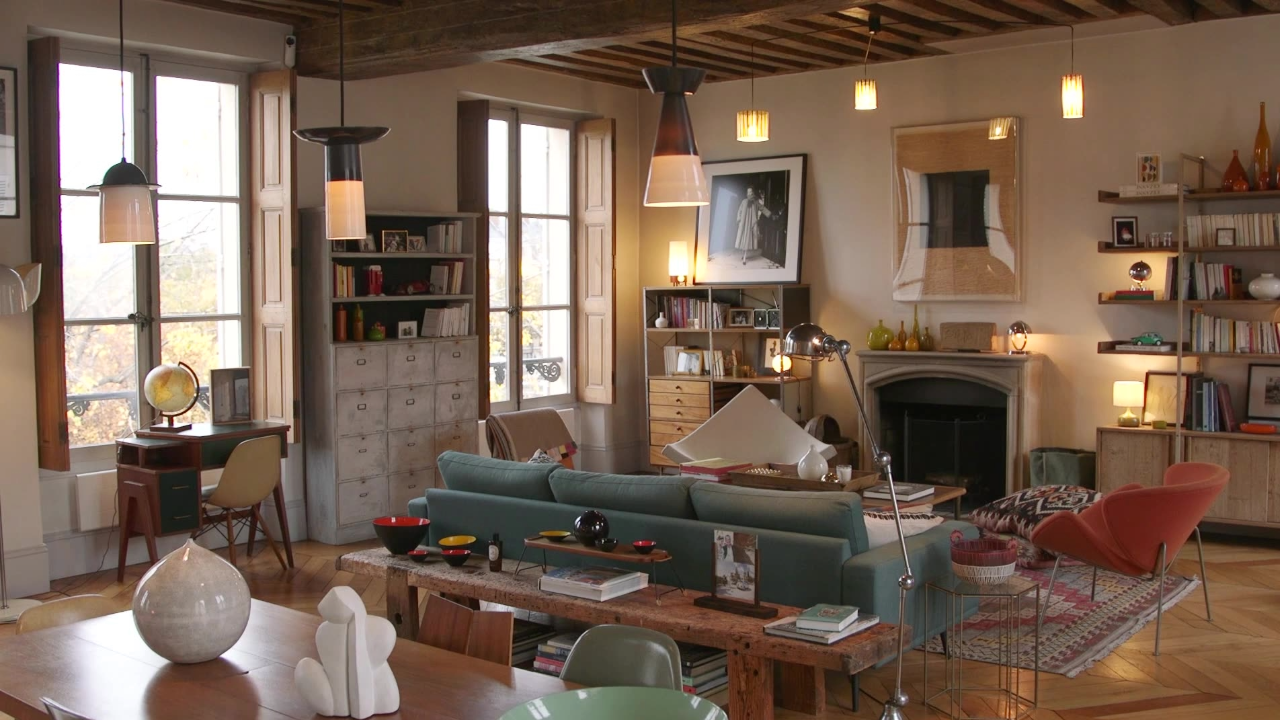
Something Is Watching Inside This Apartment
Something Is Watching Inside This Apartment – Have you ever felt that uncanny sensation of being watched in your own home? That sudden shiver down your spine when you realize something—or someone—might be observing your every move? For many, the idea of a safe haven being invaded by unseen eyes is terrifying. Apartments, often seen as personal sanctuaries, can sometimes feel strangely exposed. The concept of “something watching inside this apartment” taps into a deep, primal fear that resonates with countless people, especially in urban living spaces.
The Uneasy Feeling of Being Watched
There’s a subtle difference between hearing a strange noise or seeing a shadow and feeling the presence of someone—or something—watching. In apartments, this sensation is heightened because of proximity. Walls thin enough to hear neighbors, windows that look out onto crowded streets, and common entryways all create an environment where privacy is delicate. Many people report an almost physical sensation of observation, even when no one else is in the apartment.
Psychologists say this feeling is tied to our brain’s natural alert system. Humans are wired to detect potential threats. When we perceive subtle changes in our environment—like a door slightly ajar, a flickering light, or unexplained movements—our mind may interpret these as signs that we are not alone. It’s not always paranormal, but the fear feels just as real.
Common Signs That Something Might Be Watching
While some cases are purely psychological, others are more tangible. Residents often describe unusual occurrences in their apartments that hint at a presence watching them. Objects might move slightly, lights flicker without explanation, or strange sounds echo through empty rooms. Some even feel that the temperature drops inexplicably in certain areas, creating an icy sense of being observed.
Another key factor is technology. In modern apartments, cameras, smart devices, and even voice assistants can unintentionally make people feel watched. While most of these devices are harmless, the perception of surveillance can trigger anxiety. The idea that someone could remotely observe your daily life adds a new layer to the classic fear of unseen watchers.
Psychological Effects of Feeling Observed
Feeling watched can have serious mental and emotional impacts. Anxiety often spikes in these situations. Residents may become hyper-aware of every sound and movement in their apartments, losing a sense of comfort in their own homes. Sleep disturbances are common, as the fear of being watched can make relaxation difficult. Over time, this constant vigilance can affect mental health, leading to stress-related symptoms like headaches or insomnia.
Interestingly, even the absence of any actual observer doesn’t lessen the psychological impact. The mere sensation of being watched activates the brain’s threat detection system. This is why people sometimes report fleeting shadows, whispers, or feelings of presence that others cannot perceive. It’s not always about physical evidence; it’s about the emotional weight of the experience.
Real Stories from Apartment Residents
Stories about being watched inside apartments are surprisingly common. Many urban dwellers have shared experiences of unexplained phenomena. Some speak of recurring shadows at the edge of their vision. Others describe objects appearing in different places without explanation, or doors that open and close on their own. Whether these incidents are paranormal or not, they underscore a universal vulnerability felt in private living spaces.
One resident shared that she often felt eyes on her while working late at night. After double-checking locks, reviewing security footage, and consulting neighbors, no one was ever found. The sensation persisted, however, leading her to make small changes in lighting and room layout to feel more in control of her space. Stories like hers highlight the blend of real-world and psychological elements in these experiences.
How to Protect Yourself and Regain Comfort
The feeling of being watched doesn’t have to dominate your life. Simple steps can help restore a sense of safety and control in your apartment. Improving lighting, ensuring all entry points are secure, and installing cameras or alarms can give peace of mind. For those sensitive to environmental changes, small adjustments like rearranging furniture or adding curtains can make spaces feel more private and less exposed.
Mental strategies are equally important. Mindfulness practices, grounding exercises, and even consulting professionals can help manage anxiety. Acknowledging the fear without letting it control your daily routine is key. Over time, residents often find that awareness and precautionary measures reduce the intensity of the sensation.
The Intersection of Fear and Reality
The idea that something is watching inside an apartment sits at the intersection of fear and reality. While some incidents may have logical explanations—noisy neighbors, structural quirks, or technical glitches—the emotional experience is undeniable. Urban living, with its inherent closeness and exposure, amplifies these feelings. Recognizing that fear is both a psychological and environmental response helps residents navigate these unnerving experiences.
What makes the sensation truly compelling is its universality. Almost everyone has experienced a moment of unease in a private space. Apartments, being highly personal yet exposed to others in close proximity, are the perfect setting for these feelings. Whether the watcher is real or imagined, the effect on the individual is tangible.
Conclusion: Living With the Feeling
Ultimately, the sensation of being watched inside an apartment is a blend of human psychology, environmental factors, and personal perception. While some experiences may lean toward the paranormal or unexplained, most can be addressed with practical safety measures and mental strategies. Understanding the nature of this fear, and taking steps to reclaim comfort in your home, allows residents to live fully without constant unease.
Apartments should feel like sanctuaries, even when the shadows hint at a presence beyond what we see. Awareness, precaution, and self-care can turn the anxiety of being watched into a manageable awareness. In the end, acknowledging the sensation without letting it dominate life is the best way to reclaim peace inside your own walls.
