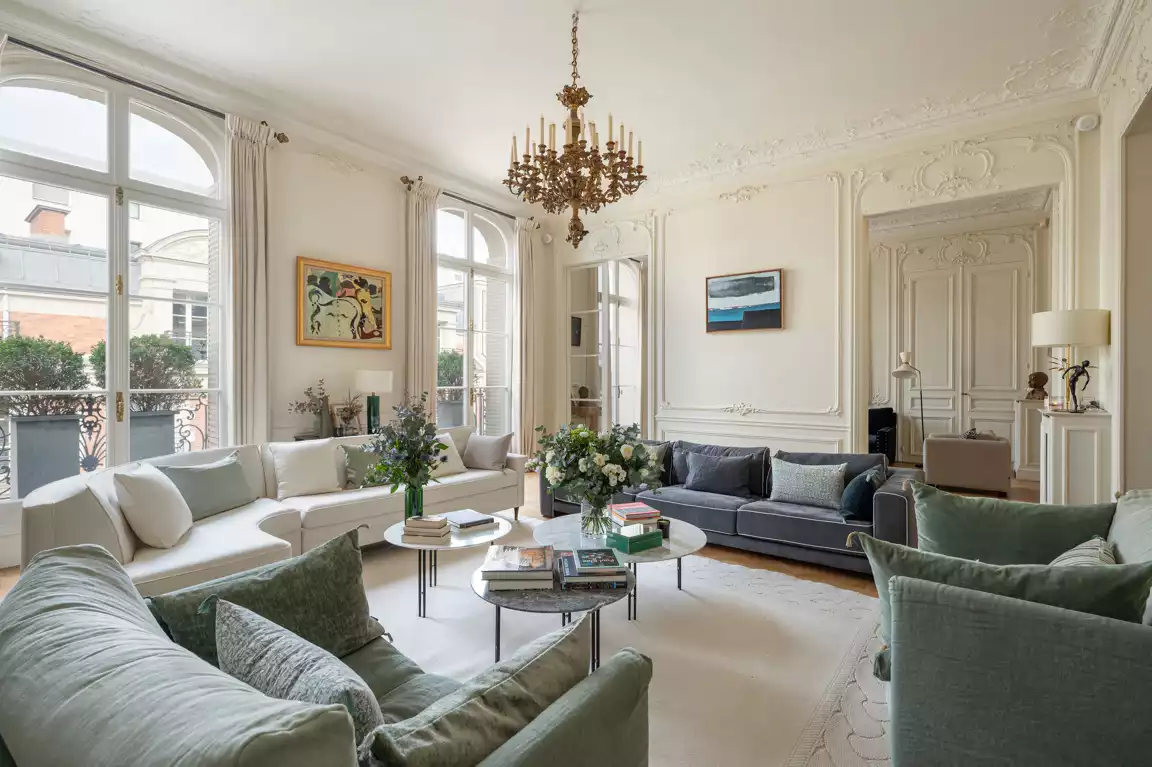
Apartments: A Practical Living Solution in Modern Urban Life – Apartments have become one of the most popular housing options in urban areas around the world. As cities continue to grow and land becomes more limited, apartment living offers a practical and efficient solution for individuals, families, and professionals. Beyond convenience, apartments reflect modern lifestyles that prioritize accessibility, comfort, and community.
For many people, choosing an apartment is not just about finding a place to live. It is about selecting a living environment that supports daily routines, work-life balance, and long-term goals. Apartments today come in various sizes, designs, and locations, making them suitable for a wide range of needs.
What Defines an Apartment?
An apartment is a residential unit located within a larger building that contains multiple living spaces. Unlike single-family homes, apartments share common areas such as hallways, elevators, parking facilities, and sometimes recreational spaces. These shared features help maximize land use while offering residents access to essential amenities.
Apartments can be found in low-rise, mid-rise, and high-rise buildings. Each type offers different advantages depending on location, city planning, and lifestyle preferences. Urban centers often feature high-rise apartments that provide easy access to business districts, public transportation, and entertainment hubs.
Why Apartment Living Is Increasingly Popular
One of the main reasons apartments are in high demand is their strategic location. Many apartment buildings are situated near offices, shopping centers, schools, and public services. This proximity reduces commuting time and supports a more efficient daily routine.
Maintenance is another key factor. Apartment residents usually benefit from professional building management that handles repairs, security, and common area maintenance. This allows residents to focus on their personal and professional lives without worrying about property upkeep.
Apartments also offer a sense of community. Shared spaces such as lounges, gyms, and gardens encourage interaction among residents. For people who value social connection without sacrificing privacy, apartment living offers a balanced environment.
Types of Apartments
Apartments come in various formats to suit different needs. Studio apartments are compact units that combine living, sleeping, and kitchen areas into a single space. They are popular among young professionals and individuals seeking affordability and simplicity.
One-bedroom and two-bedroom apartments provide more space and privacy, making them suitable for couples or small families. Larger units may include additional rooms, balconies, or flexible spaces that can be used as home offices.
Serviced apartments are another option, often designed for short-term stays. These units typically include furnished interiors and additional services, offering convenience for business travelers and temporary residents.
Apartment Design and Modern Features
Modern apartments are designed with functionality and comfort in mind. Open floor plans, natural lighting, and efficient layouts help maximize usable space. Many apartments incorporate modern materials and finishes that create a clean and contemporary look.
Technology has also become an integral part of apartment living. Features such as smart locks, energy-efficient lighting, and climate control systems improve convenience and sustainability. These innovations appeal to residents who value efficiency and environmental responsibility.
Storage solutions, sound insulation, and ventilation systems are carefully considered in well-designed apartments. These details significantly impact daily comfort and overall living quality.
Apartments as a Lifestyle Choice
Apartment living reflects changing lifestyle preferences, especially in urban environments. Many residents value flexibility, mobility, and access to city amenities over owning large properties. Apartments support this lifestyle by offering manageable spaces without compromising comfort.
For professionals, apartments located near business centers reduce commuting stress and allow more time for personal activities. Families benefit from access to schools, healthcare facilities, and recreational areas within close proximity.
Apartments also align with minimalist living trends. Smaller spaces encourage thoughtful organization and intentional living, which many people find refreshing in a fast-paced world.
Apartments and Real Estate Value
From a real estate perspective, apartments play an important role in urban development. They help accommodate growing populations while optimizing land use. In many cities, apartments are considered stable assets due to consistent demand.
Location remains a critical factor in apartment value. Proximity to transportation, commercial areas, and infrastructure significantly influences desirability. Well-maintained buildings with reliable management also tend to retain their value over time.
While this article focuses on lifestyle and information, it is worth noting that apartments often attract attention as long-term residential options due to their practicality and adaptability.
Choosing the Right Apartment
Selecting the right apartment involves careful consideration of several factors. Location should align with daily activities such as work, education, and transportation needs. The layout and size of the unit should match the household’s lifestyle and future plans.
Building facilities, security systems, and management quality also deserve attention. Visiting the property and observing its condition can provide valuable insight into long-term comfort.
Budget considerations are equally important. Beyond rent or purchase price, residents should consider service fees, utilities, and maintenance costs to ensure financial sustainability.
The Future of Apartment Living
As cities continue to evolve, apartment living is expected to grow alongside advancements in design and technology. Sustainable construction, green spaces, and smart building systems are becoming standard features in new developments.
Apartments are no longer seen as temporary housing solutions. They represent a modern approach to living that prioritizes efficiency, accessibility, and community. With thoughtful planning and design, apartments can support comfortable and fulfilling urban lifestyles.
Conclusion
Apartments have become a cornerstone of modern urban living. Their practical design, strategic locations, and evolving features make them suitable for a wide range of residents. Whether chosen for convenience, lifestyle, or accessibility, apartments offer a balanced living solution in today’s cities.
For many people, apartment living is not just a housing choice but a reflection of how they navigate modern life. With continued innovation and thoughtful development, apartments will remain an essential part of urban communities for years to come.